Inline Skating Guide: How to Start in Canada (2026)
Inline skating is one of the most accessible, joint-friendly, and genuinely fun ways to get outside and move — whether you're cruising Toronto's Martin Goodman Trail, the Vancouver Seawall, or an indoor rink during a Canadian winter. If you've ever watched someone glide past on a single line of wheels and wondered how to start, this guide covers everything: what inline skating is, the gear you actually need, the first techniques to learn, and where to skate across Canada.
The short version: start with supportive recreational skates that fit snugly, wear a certified helmet plus wrist, knee, and elbow protection, and practise stance, stride, turning, and heel-brake stops on a level traffic-free surface. Learn to stop before adding speed or hills.
Ready to roll already? Browse our full range of inline skates — shipped from inside Canada with real fit advice from a Toronto showroom.
What Is Inline Skating?
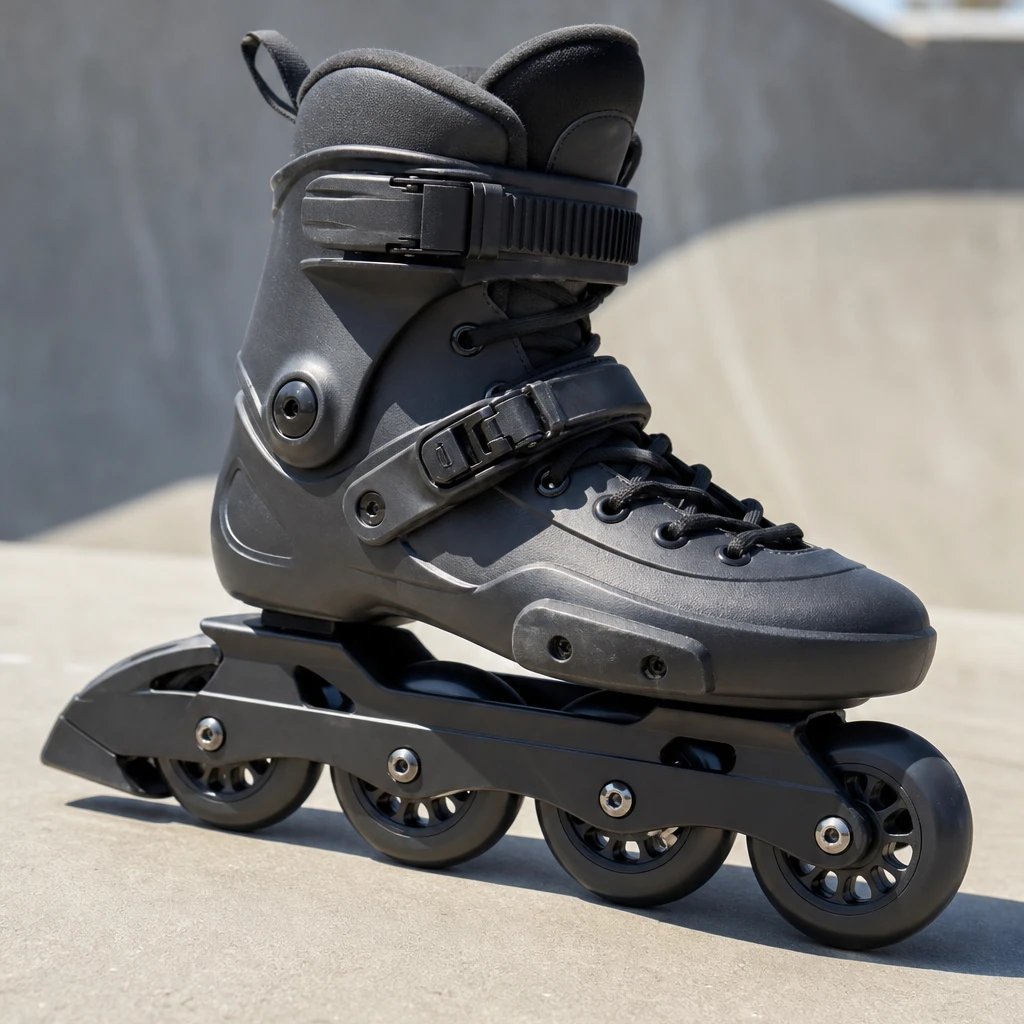
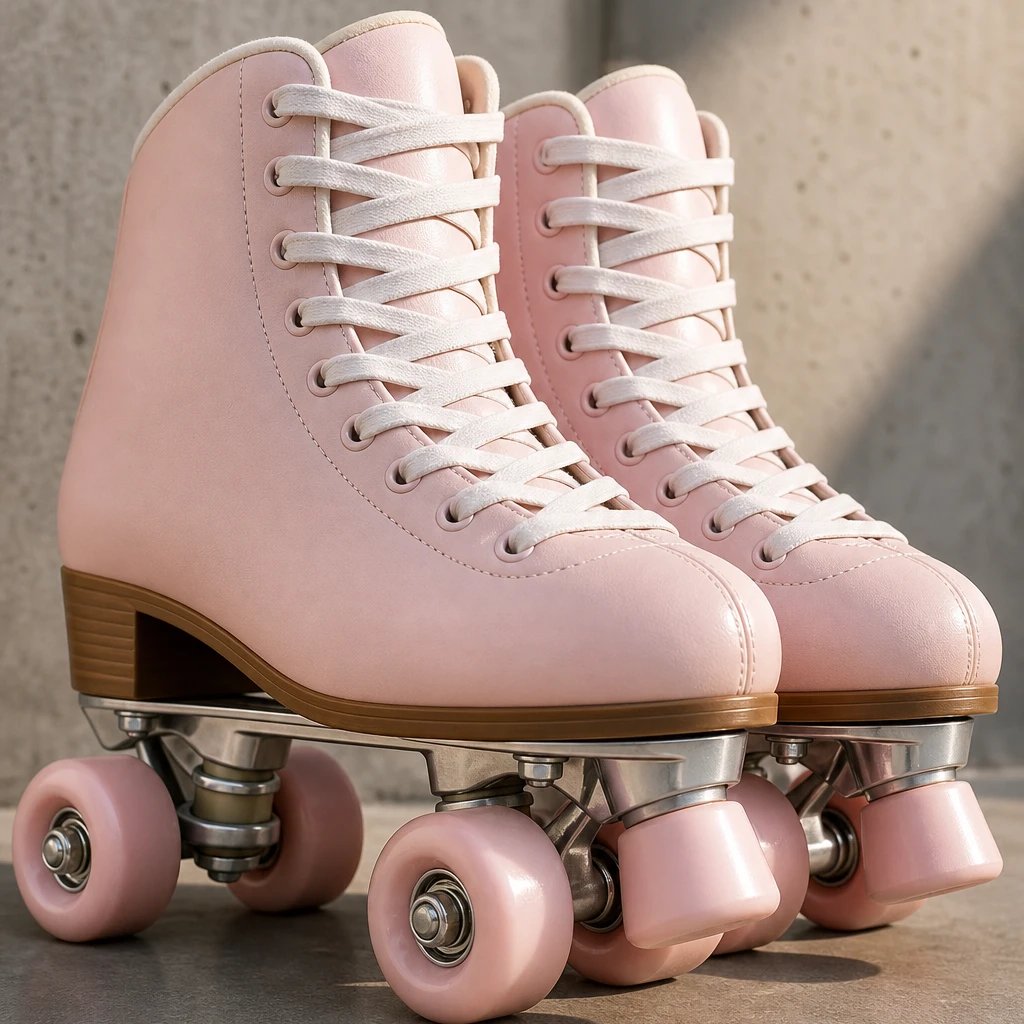
Inline skating is the sport of moving on skates whose wheels are arranged in a single straight line — typically three, four, or five wheels per boot. That single line of wheels (the "inline" arrangement) is what makes the skates fast, agile, and efficient compared to the side-by-side wheel layout of traditional quad skates.
Inline skating became a mainstream activity in the late 1980s and 1990s, and the gear has improved dramatically since. Modern boots are lighter, liners are often heat-mouldable for a custom fit, and wheels and bearings roll faster and smoother than ever. Today it covers everything from a relaxed weekend roll to competitive speed racing.
Inline Skating vs. Rollerblading
These two terms mean the same thing. "Rollerblade" is actually a brand name — Rollerblade was the company that popularized inline skates in North America — and the name stuck as a generic verb, the same way people say "Kleenex" for tissue. So "rollerblading" and "inline skating" describe the identical activity. Throughout this guide we'll mostly say inline skating, but you'll hear both at any Canadian rink or trail.
If you're still deciding between inline and traditional quad skates, our inline skates vs. roller skates comparison breaks down the trade-offs in detail.
The Benefits of Inline Skating
Inline skating isn't just fun — it's a serious workout disguised as play. Here's why so many Canadians make it part of their routine.
- Excellent low-impact cardio. Skating gets your heart rate up while sparing your knees and hips the repeated pounding of running. According to Harvard Health, a 70 kg person can burn roughly 300+ calories in 30 minutes of skating — comparable to jogging.
- Builds lower-body and core strength. The side-to-side push of skating targets your glutes, quads, hamstrings, and the stabilizer muscles in your core.
- Improves balance and coordination. Few activities train balance as effectively, which pays off in everything from sports to everyday stability as you age.
- Great for mental health. Rhythmic, outdoor movement is a proven stress reliever — and gliding along a waterfront beats a treadmill any day.
- Year-round in Canada. Outdoor trails in the warmer months, indoor rinks and gyms through winter. Inline skating is a four-season activity if you plan for it.
Types of Inline Skating
Not all inline skates — or skaters — are the same. Understanding the main disciplines helps you choose the right gear for your goals.
Recreational / Fitness Skating
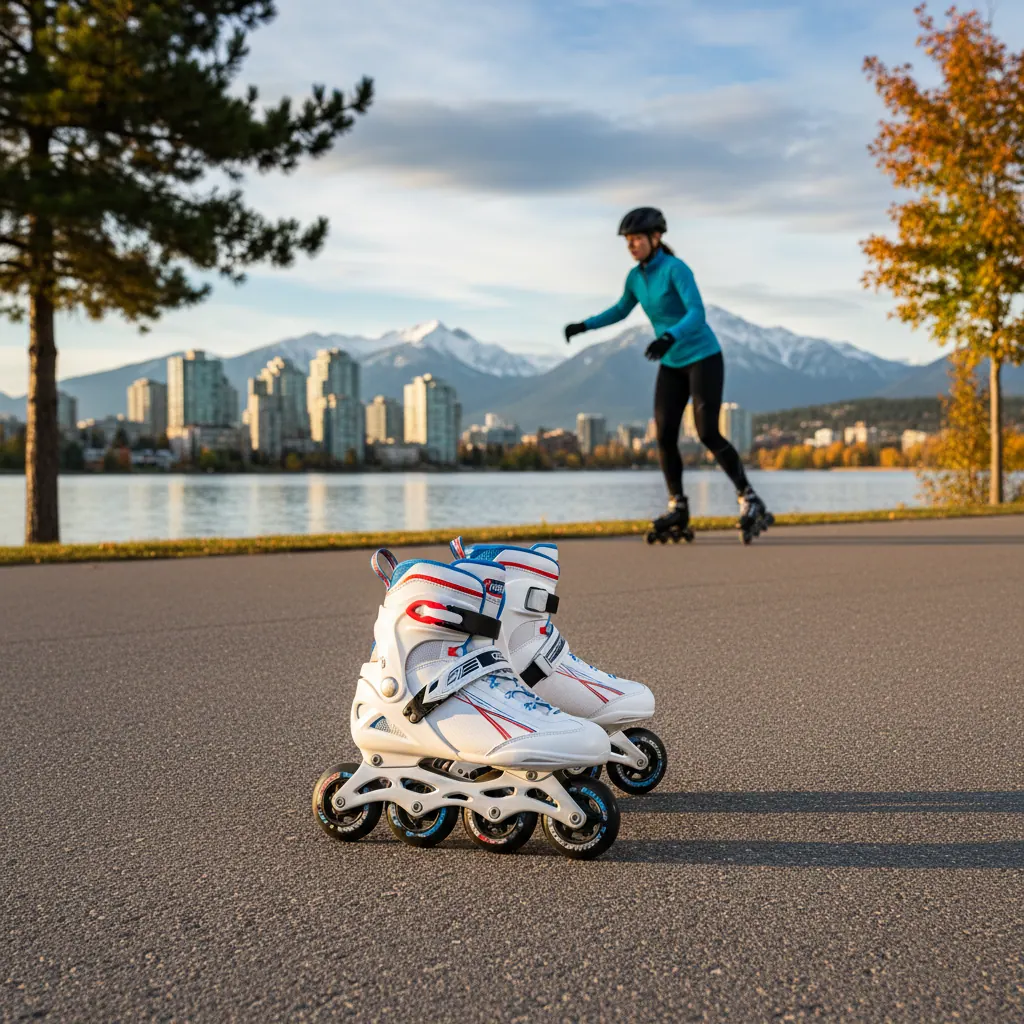
The most popular style. Recreational and fitness skates prioritize comfort, support, and an easy roll for cruising trails and paths. They usually have four wheels, a heel brake, and a supportive boot. This is where almost every beginner should start. See our picks in the best inline skates for 2026 roundup.
Urban / Freestyle Skating
Urban (or "freeskate") skates are tougher and more maneuverable, built for navigating city streets, curbs, and obstacles. They typically drop the heel brake in favour of stopping techniques and feature a shorter, stiffer frame for quick turns.
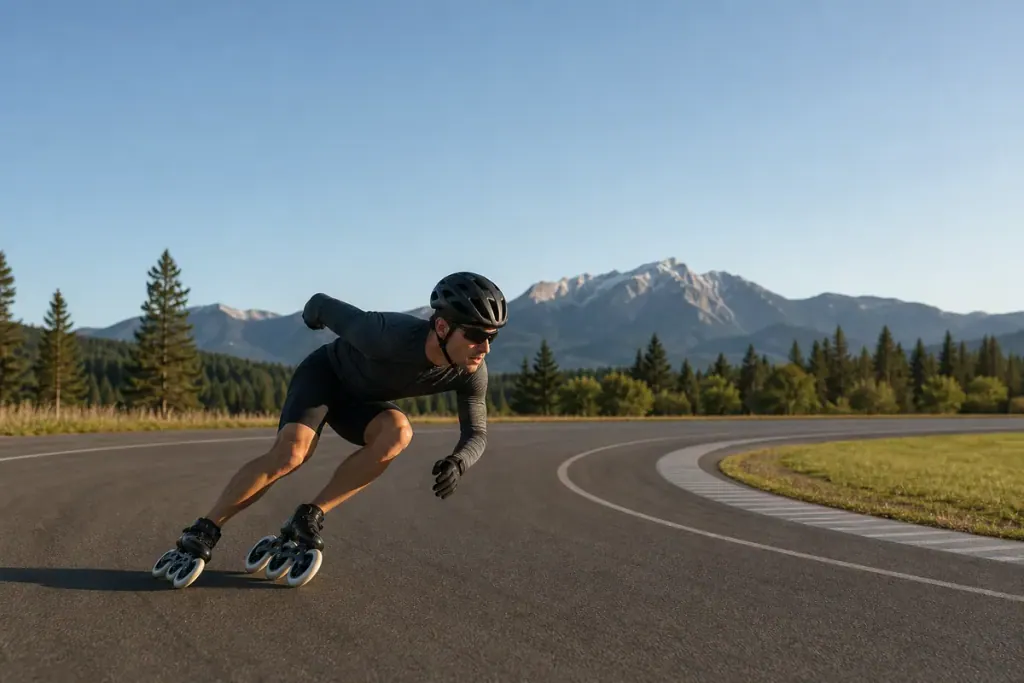
Speed Skating
Speed skates use a long frame with larger wheels and a low-cut boot for maximum stride efficiency. They're built for distance and racing — fast, but less forgiving for beginners. Our inline speed skating guide explains how to progress safely from fitness skates.
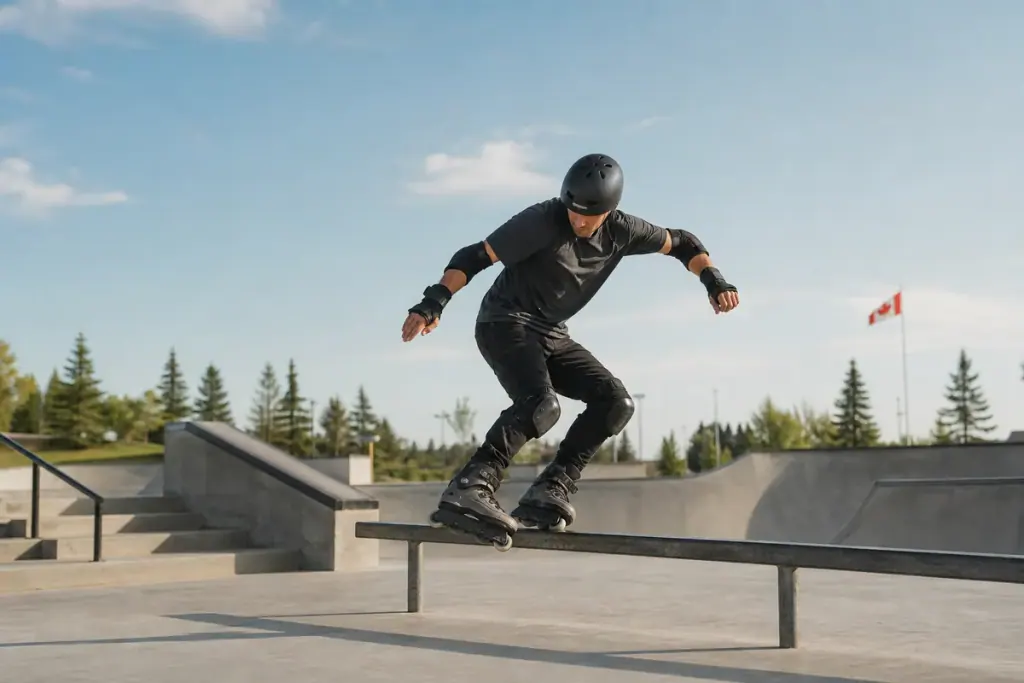
Aggressive Skating
Aggressive skates are designed for skateparks, grinds, and tricks. They have small, hard wheels, a grind space in the frame, soul plates, and a heavily reinforced boot. Read the aggressive inline skating beginner guide before taking recreational skates onto obstacles.
Inline Hockey
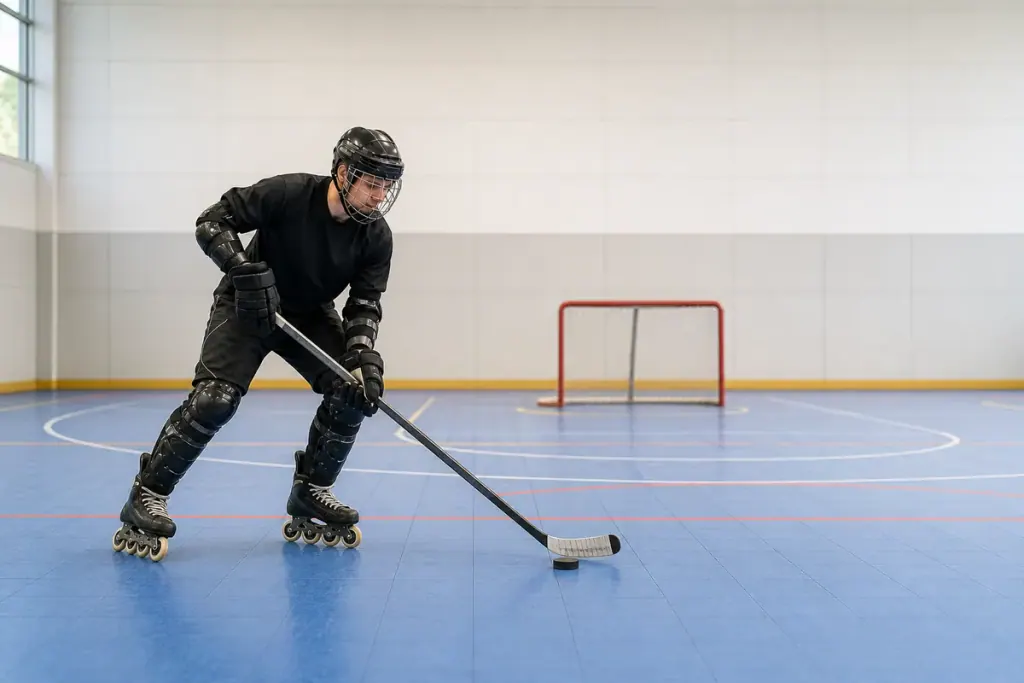
Inline hockey skates use a supportive hockey-style boot and a manoeuvrable wheel setup for rapid starts, stops, and direction changes on sport court or smooth concrete. New players can use our roller hockey starter guide to separate essential protective equipment from optional upgrades.
Off-Road Skating
Off-road inline skates swap small wheels for large pneumatic or oversized wheels that roll over grass, gravel, and dirt — opening up trails a standard skate can't handle.
The Gear You Need to Start Inline Skating
You don't need much to begin, but getting the basics right makes the difference between loving the sport and giving up in week one.
1. The Right Pair of Skates
Start with a recreational or fitness skate with a supportive boot and a heel brake. Fit is everything: your toes should just brush the end when standing, with no heel lift when you stride. Skate sizing differs from your shoe size and varies by brand, so measure before you buy. Use our skate size calculator to dial in the right size before ordering, and browse the full inline skates collection when you're ready.
2. Protective Gear (Non-Negotiable)
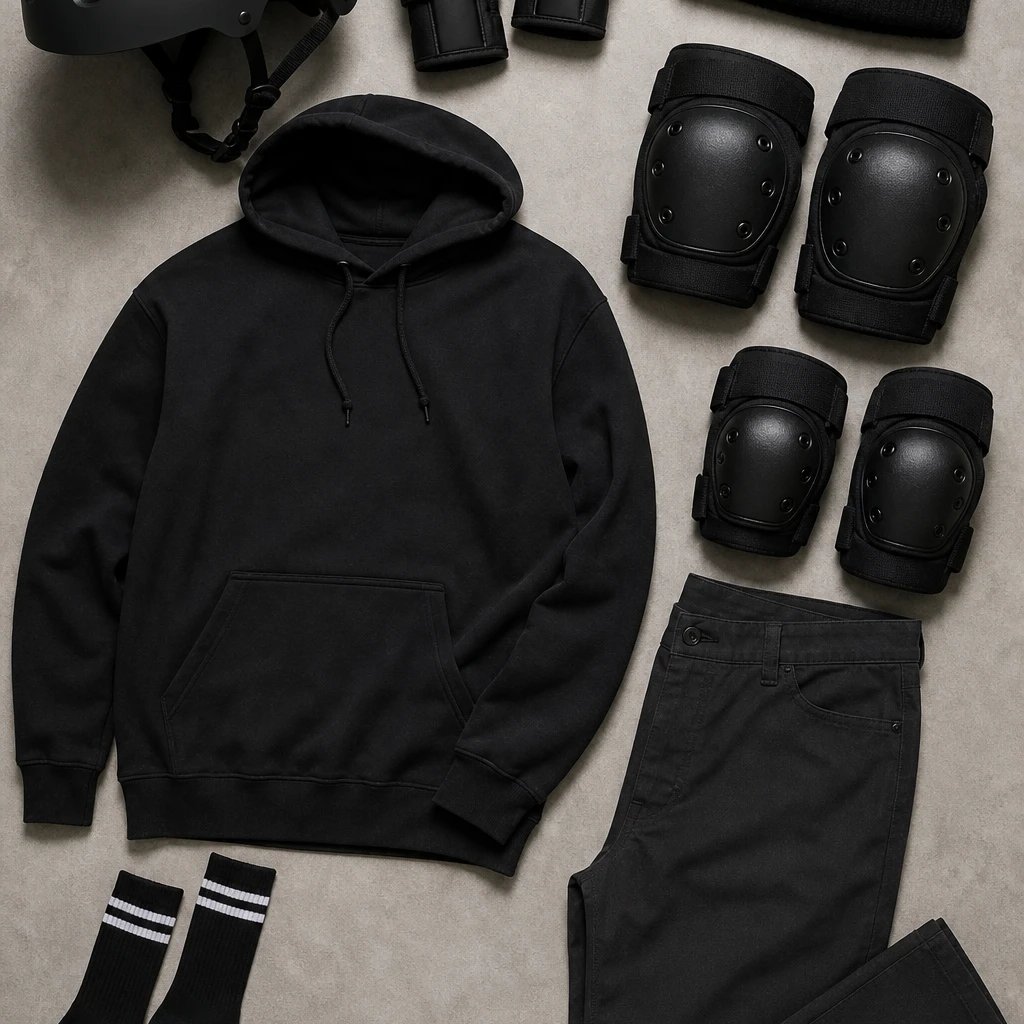
Every beginner falls. Pad up so those falls are harmless:
- Helmet — the single most important item. Look for a CSA, CPSC, or ASTM-certified fit.
- Wrist guards — wrist injuries are the most common skating injury; guards prevent most of them.
- Knee and elbow pads — see our full protection gear range.
- Padded shorts — optional, but a tailbone-saver for nervous beginners.
Canada's injury-prevention charity Parachute recommends a certified helmet for all wheeled sports, regardless of age or experience.
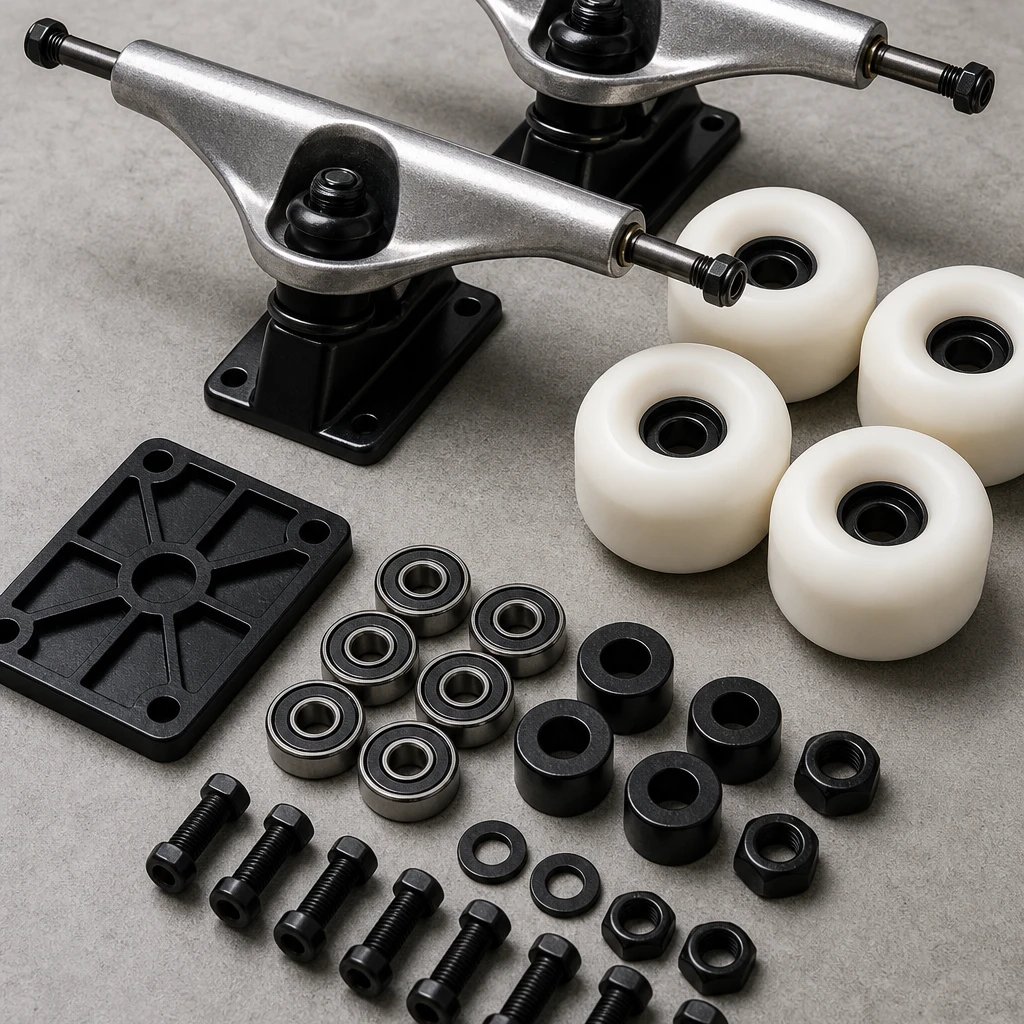
3. Understanding Wheels and Bearings
Two parts shape how your skates feel:
- Wheels — measured in diameter (mm) and hardness (durometer). Bigger wheels roll faster; softer wheels grip and absorb shock better.
- Bearings — rated by the ABEC scale for precision. For recreation, mid-range bearings are plenty; clean them and they'll last years.
You don't need to obsess over these on day one, but knowing the basics helps when it's time to upgrade.
How to Get Started: Your First Steps on Inline Skates
Here's the simplest path from wobbly to gliding. Find a flat, smooth, traffic-free surface — an empty parking lot or quiet path is ideal.
Step 1: Find Your Stance
Bend your knees, keep your weight centred over the middle of your skates, and hold your arms out for balance. A slight forward lean (chest over toes) is safer than leaning back. Practice standing and shifting weight foot to foot before you move.
Step 2: The Basic Stride
Push one skate out diagonally — like making the legs of the letter "A" — and glide on the other. Alternate. Short, controlled pushes beat big aggressive ones while you're learning. Let momentum carry you between strides.
Step 3: Learn to Stop
Stopping is the skill beginners skip and regret. Start with the heel brake: glide with skates parallel, slide the braking foot slightly ahead, lift the toe, and press the brake pad into the ground. As you progress you can learn the T-stop and plough stop.
Step 4: Fall Safely
If you feel yourself going down, crouch low and fall forward onto your pads — knees first, then wrist guards — never backward onto your tailbone or wrists alone. This is exactly why the protective gear above matters.
For a full first-session plan with drills, three stopping methods and safe-fall practice, follow our step-by-step how to rollerblade guide. Once you're comfortable rolling and stopping, our complete beginner's guide to skating and our how to skate backwards tutorial are great next steps.
Where to Inline Skate in Canada
Canada has world-class skating spots. A few favourites:
- Toronto — the Martin Goodman Trail runs ~56 km along the waterfront, smooth and mostly flat. See our Toronto skating guide for indoor rinks and more spots.
- Vancouver — the Seawall around Stanley Park is one of the most scenic skates anywhere. Plan the route, surface, and shared-path etiquette with our Vancouver inline skating guide.
- Montreal — the Lachine Canal path offers long, flat, paved kilometres.
- Winter — when trails ice over, head to indoor rinks, community centres, and skate-friendly gyms to keep your stride sharp year-round.
Always check surface conditions and local rules before you go, and skate with traffic flow on shared paths.
Caring for Your Inline Skates
A little maintenance keeps your skates fast and safe:
- Rotate your wheels regularly so they wear evenly — inside edges wear fastest.
- Clean your bearings when they sound gritty or slow down; dry them fully before re-oiling.
- Check your heel brake and replace the pad before it wears to the metal.
- Dry your liners after sweaty or rainy sessions to prevent odour and breakdown.
Our skate maintenance guide covers off-season storage and winter care in more detail.
Inline Skating FAQ
Is inline skating hard to learn?
Most people can roll and stop within a session or two on a flat surface. Comfortable, confident skating takes a few weeks of regular practice. Good-fitting skates and protective gear make the learning curve far gentler.
Is inline skating good exercise?
Yes — it's a low-impact, high-calorie cardio workout that builds leg and core strength while improving balance. It's easier on the joints than running while burning a similar number of calories.
What's the difference between inline skating and rollerblading?
None. "Rollerblade" is a brand name that became a generic term, so rollerblading is inline skating. Both refer to skates with wheels in a single line.
How much do inline skates cost in Canada?
Quality recreational inline skates generally run from about CAD $120 to $300, with performance and speed skates costing more. Avoid the cheapest big-box skates — poor support and bad bearings make learning harder. See our best inline skates in Canada guide for current picks at every budget.
Can you inline skate in winter in Canada?
Not outdoors on icy trails — but plenty of skaters move indoors during winter to rinks, community centres, and gyms, then return to the trails in spring. With a little planning, inline skating is a four-season sport.
Ready to Start Inline Skating?
Inline skating rewards you fast: a great workout, a new way to explore your city, and a skill that lasts a lifetime. Start with a well-fitting recreational skate, gear up with a certified helmet and wrist guards, and give yourself a few flat, quiet sessions to find your stride.
When you're ready to gear up, browse our inline skates collection and protective gear — all shipped from inside Canada, with fit advice from skaters who actually ride. Not sure on size? Run the skate size calculator first, and you'll be rolling before you know it.