Inline Skates vs Roller Skates: Which Is Better?
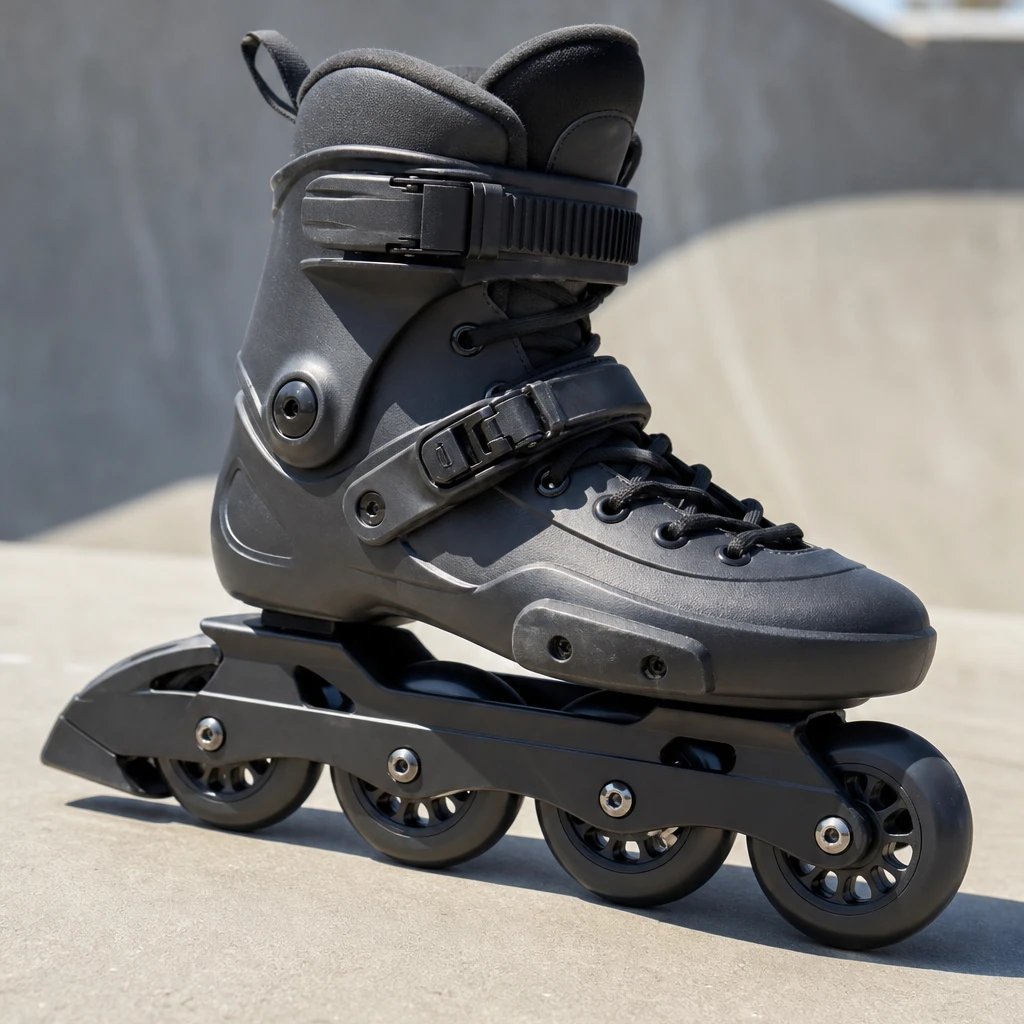
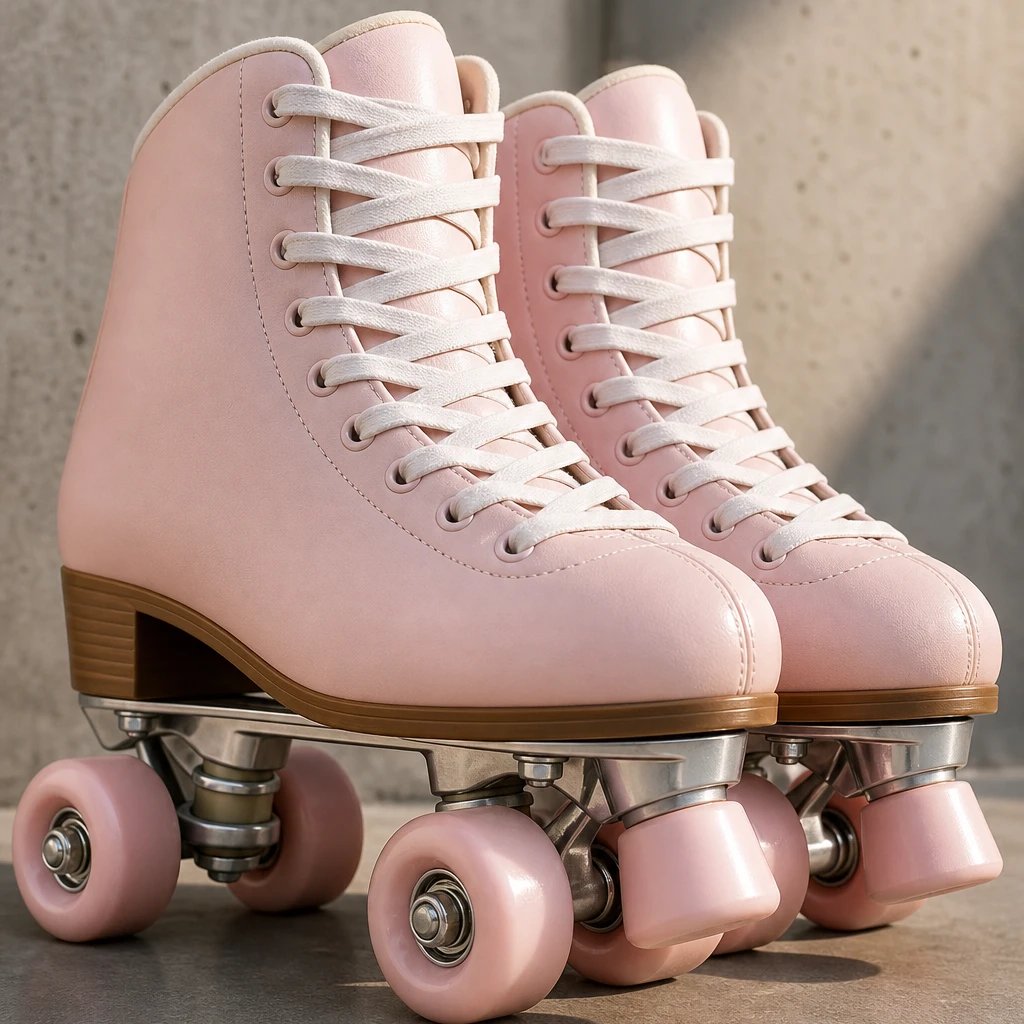
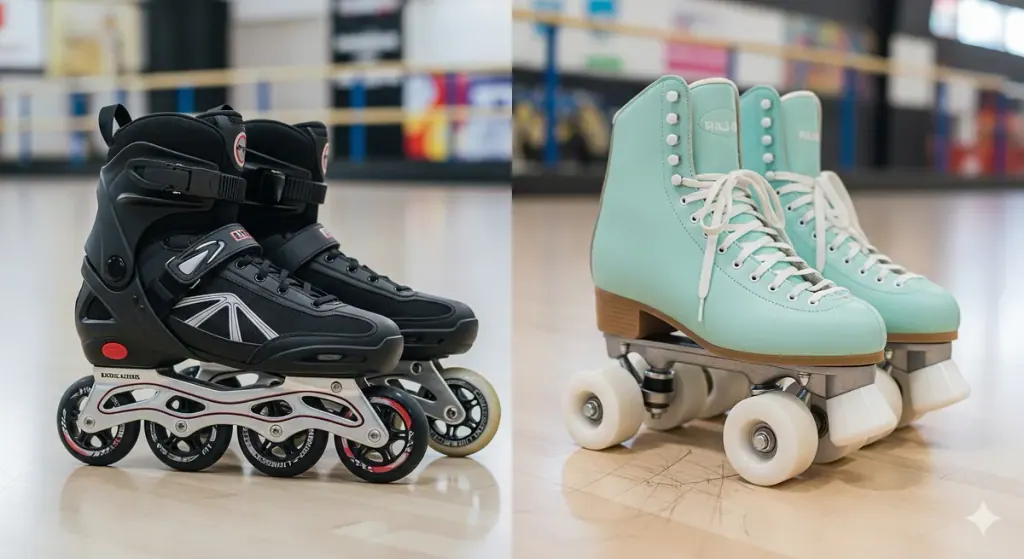
The choice between inline skates and roller skates is mainly a choice between two different wheel layouts. Inline skates—often called Rollerblades after the well-known brand—place the wheels in one line. Traditional roller skates, also called quad skates, use two wheels at the front and two at the back.
Neither layout is universally better. Inline skates are usually the stronger choice for outdoor distance, fitness, speed, and hockey. Quad roller skates are usually better suited to rink skating, dance, artistic movement, derby, and skaters who prefer a broad standing platform. Fit, wheel choice, and the surface matter at least as much as the layout.
Inline Skates vs Roller Skates at a Glance
| Your priority | Usually the better starting point | Why |
|---|---|---|
| Paved trails and distance | Inline skates | Larger, narrower wheels maintain momentum and cross small surface imperfections more easily |
| Indoor rink sessions | Roller skates | Quad geometry suits compact turns, rhythm, and rink-style movement |
| Fitness skating | Inline skates | Efficient forward stride and common trail-focused setups |
| Dance and artistic skating | Roller skates | Toe stops, trucks, and a short wheelbase support pivots and expressive footwork |
| Hockey | Inline skates | Hockey-specific boots and frames are built for quick acceleration and direction changes |
| Roller derby | Roller skates | Modern roller derby is a quad-skate discipline |
| Skatepark grinds | Discipline-specific | Aggressive inline and park quad skates are both purpose-built; recreational skates are not substitutes |
| A familiar feel for ice skaters | Inline skates | The narrow contact line and edging feel are more transferable |
What Is the Difference Between Inline and Quad Skates?
Inline skates
Inline skates typically use three or four wheels in a straight line. Recreational models commonly have a supportive cuff and a heel brake. Fitness, urban, hockey, aggressive, and speed models change the boot, frame, wheel size, and brake setup for their discipline.
The narrow wheel arrangement requires the skater to balance from side to side, but it also creates clean edges for carving. Outdoor models often use larger wheels than quads, helping them roll efficiently over well-maintained pavement.
Roller skates
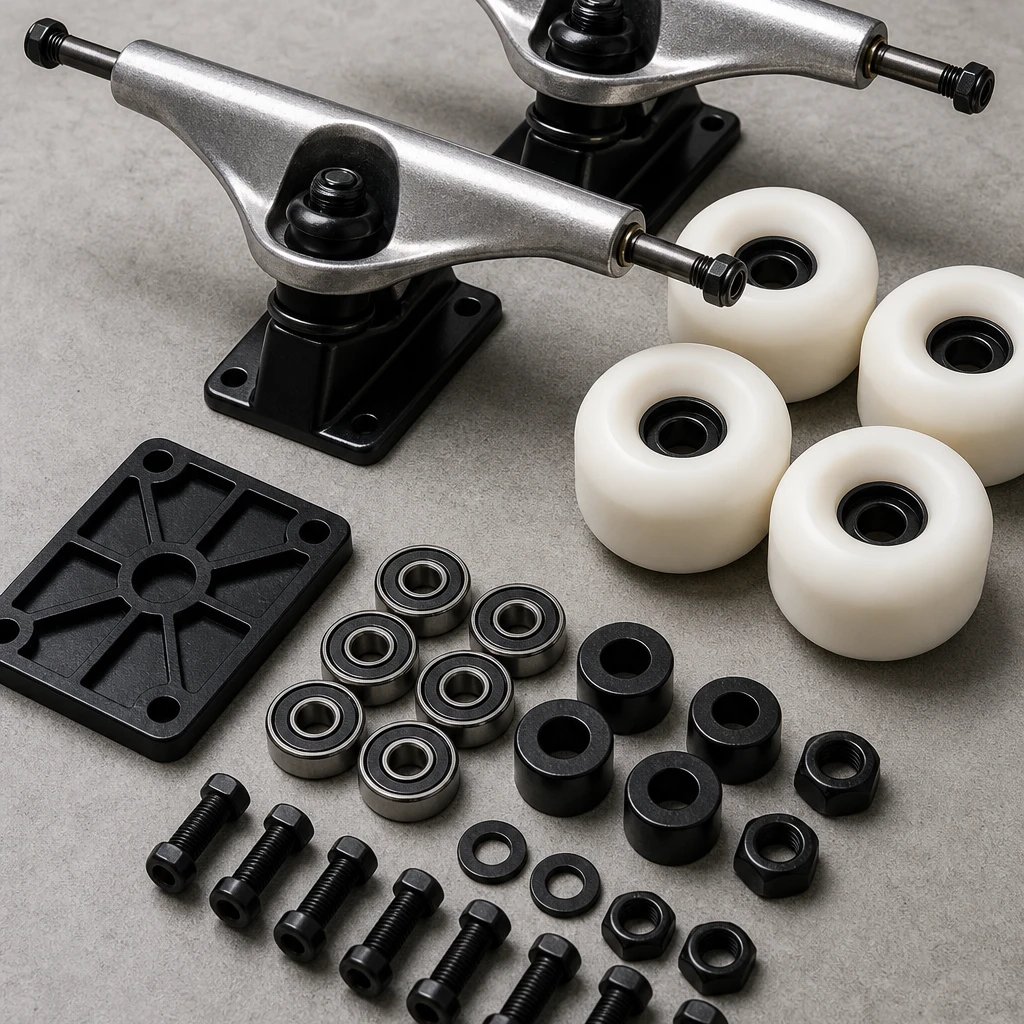
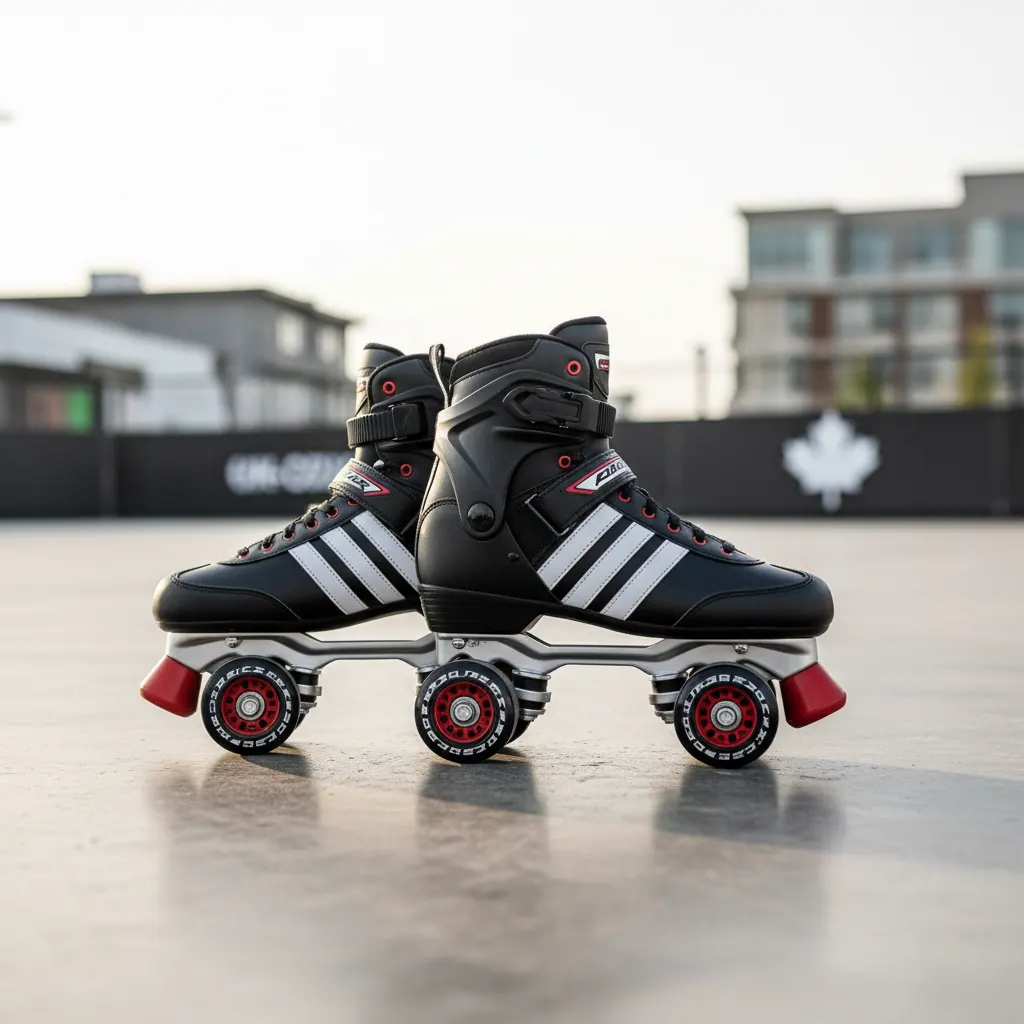
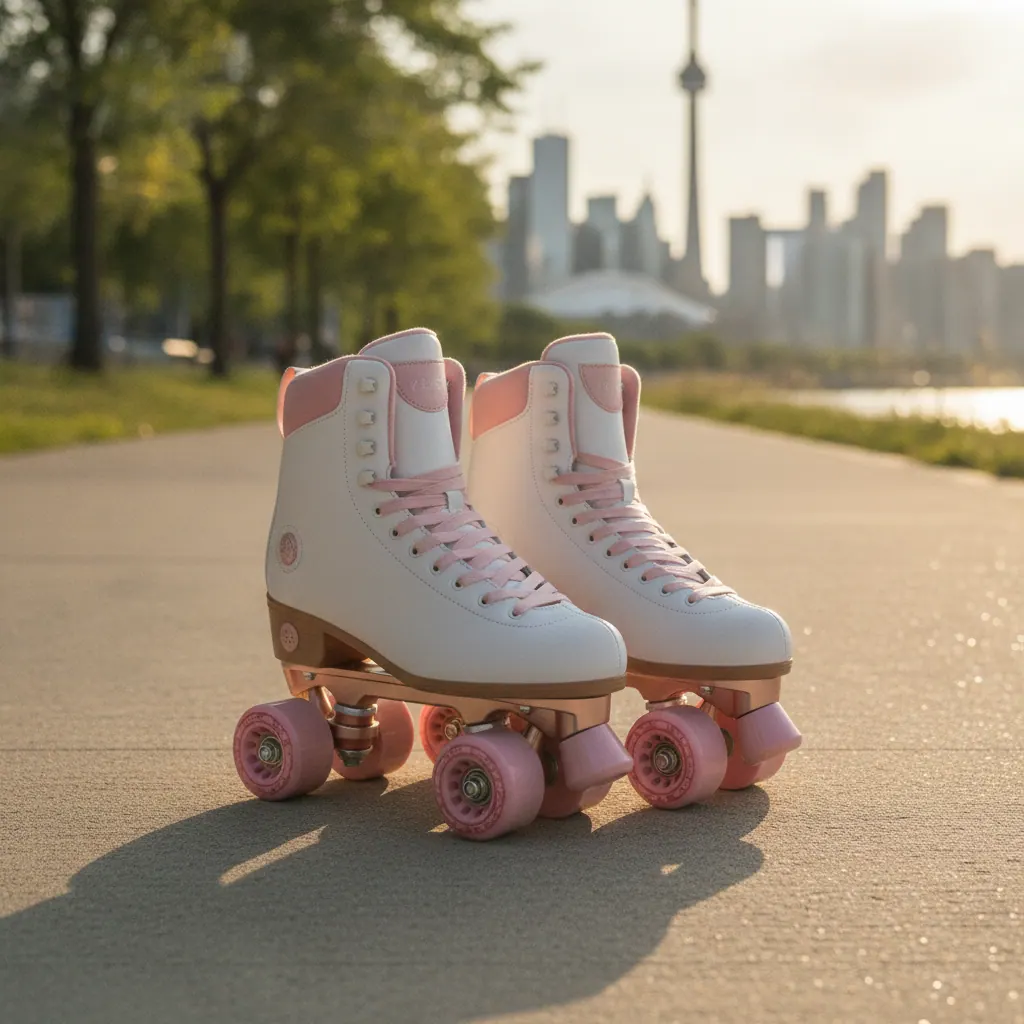
Quad roller skates place four wheels in a rectangle beneath each boot. The trucks allow the wheels to steer as the skater leans. Most rink and recreational quads use a toe stop; dance setups may use smaller jam plugs instead.
The broad base can feel reassuring while standing, yet moving confidently still requires knee bend, weight transfer, stopping skills, and practice. Quads are not automatically easier for every beginner—especially on rough outdoor pavement.
Are Inline Skates or Roller Skates Easier for Beginners?
For a complete beginner on a smooth indoor floor, quad skates can feel more stable when standing still. For someone with ice-skating experience, inline skates often feel more natural. Outdoors, the larger wheels on recreational inline skates may be easier to manage than small, hard rink wheels.
The best beginner setup is the one that matches the intended surface and activity:
- Choose supportive recreational inline skates with a heel brake for paved trails and fitness.
- Choose recreational quad skates with suitable outdoor wheels if you plan to roll outside.
- Choose rink-oriented quads for smooth indoor floors, rhythm, or dance.
- Avoid advanced low-cut speed boots, very short urban frames, and trick-specific setups for a first pair.
Whichever layout you choose, measure both feet and follow the manufacturer's model-specific chart. A secure heel and evenly held foot improve control. Use our skate size calculator as a starting point, then check the individual product notes.
Which Is Faster?
Inline skates are generally more efficient for sustained outdoor speed. Their larger wheels retain momentum, and performance models use long frames designed for a stable, extended stride. This is why inline layouts dominate speed skating and distance-oriented fitness skating.
That does not mean every inline skate is faster than every quad. Wheel diameter, hardness, bearing condition, technique, wind, surface quality, and fitness all change the result. A skilled quad skater on a smooth rink may be far quicker than a new inline skater. Choose based on where and how you want to skate, not an unsupported speed percentage.
If distance and pace are your goals, begin with recreational or fitness skates before moving to the low-cut boots and long frames described in our inline speed skating guide.
Which Is Better Outdoors?
For long paved routes, inline skates usually win. Their common wheel sizes roll across expansion joints and modest imperfections more comfortably, while the aligned wheels track efficiently over distance. Quad skates can work outdoors, but they need outdoor-appropriate wheels: typically softer and often larger than hard rink wheels.
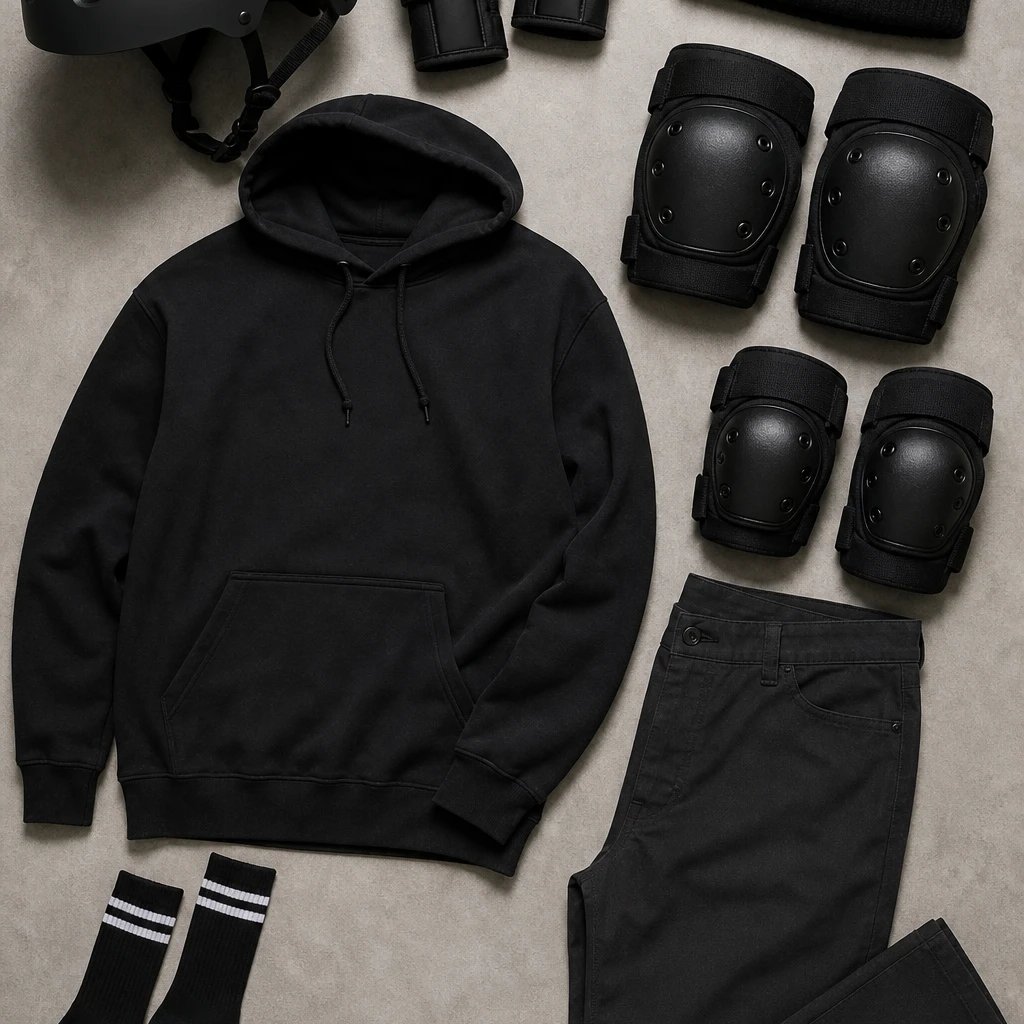
Neither type makes broken pavement, gravel, wet leaves, sand, steep descents, or vehicle traffic safe. Inspect the route, control your speed, and use a certified helmet plus wrist, knee, and elbow protection. Vancouver skaters can use our Vancouver inline skating guide to compare paved greenways and understand where mixed or compacted surfaces change the plan.
Which Is Better for Fitness?
Both are legitimate forms of physical activity. Inline skates make it straightforward to build continuous trail sessions and interval workouts. Quad skates lend themselves to rink laps, dance practice, and repeated skill drills. The best fitness skate is the one that motivates you to practise consistently while keeping intensity appropriate for your experience.
Beginners should first build stopping and turning control. Add time before intensity, and avoid using hills as a shortcut to speed. For a simple first-session progression, see our complete inline skating guide or how to roller skate tutorial.
Which Is Better for Tricks?
“Tricks” covers different disciplines:
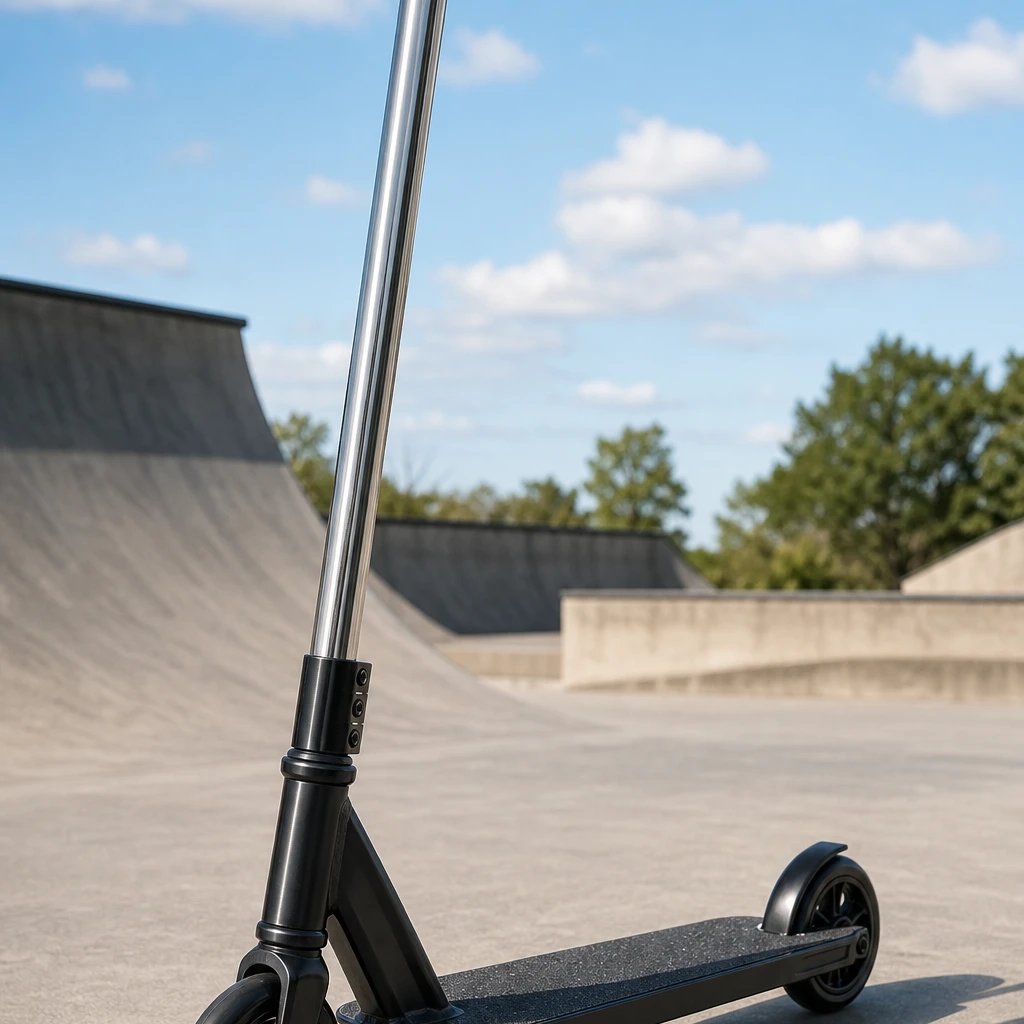
- Aggressive inline skating uses reinforced boots, soul plates, and grind-ready frames for rails, ledges, ramps, and bowls.
- Park quad skating uses durable quad boots, trucks, plates, and blocks intended for skatepark loads.
- Freestyle slalom uses manoeuvrable inline setups for cone-based footwork.
- Rhythm and artistic skating typically use quad skates for edges, spins, dance, and choreography.
Do not take a casual recreational setup onto rails or large transitions. Purpose-built equipment is designed to manage forces and movement that ordinary skates are not. If aggressive inline is your goal, follow our aggressive inline skating beginner guide.
Braking and Stopping
Recreational inline skates often include a heel brake. The skater moves the braking foot forward, lifts the toe, and progressively presses the pad into the ground. Many quad skates use a front toe stop for controlled starts, transitions, and some stopping methods.
Both disciplines also teach braking without the factory stop, but those techniques take practice. Do not remove a heel brake or toe stop simply because advanced skaters use another setup. Learn at least one dependable stop on level ground before entering a shared path or busy rink.
Maintenance and Running Costs
Both layouts need routine inspections. Inline wheels tend to wear more on their inside edges and should be rotated in the manufacturer's recommended pattern. Quad wheels can also wear unevenly and their truck hardware needs appropriate adjustment. For either type:
- Check axle and mounting hardware before skating.
- Replace damaged or severely worn wheels.
- Keep bearings dry and clean rather than flooding them with general-purpose lubricant.
- Inspect heel brakes or toe stops before they reach their mounting hardware.
- Air-dry liners and boots after damp sessions.
Cost depends on the model and how often you skate, not simply the wheel layout. Avoid relying on old article prices; compare current product specifications and included components instead.
How to Choose Your First Pair
Answer these questions in order:
- Where will I skate most? Trail, rink, sport court, skatepark, or neighbourhood pavement?
- What do I want to learn? Distance, general recreation, dance, derby, hockey, or tricks?
- What fits my feet? Brand sizing, width, volume, heel hold, and pressure points matter.
- Does the wheel setup match the surface? Indoor hardness and small wheels may feel harsh outside.
- Can I stop safely in this setup? Keep the supplied brake or toe stop while learning.
For outdoor cruising and fitness, browse inline skates. For rink, dance, and traditional quad skating, compare roller skates. Add protective equipment before treating the purchase as complete.
Final Verdict
Choose inline skates for trails, fitness, speed, hockey, and an ice-skate-like feel. Choose quad roller skates for rinks, dance, artistic skating, derby, and the distinctive steering feel of trucks. Beginners can learn either one; the safer and more enjoyable choice is a correctly fitted, discipline-appropriate skate with wheels suited to the surface.
Still undecided? Start with the activity you are most likely to do every week. That answer is more useful than asking which design is “best” in the abstract.