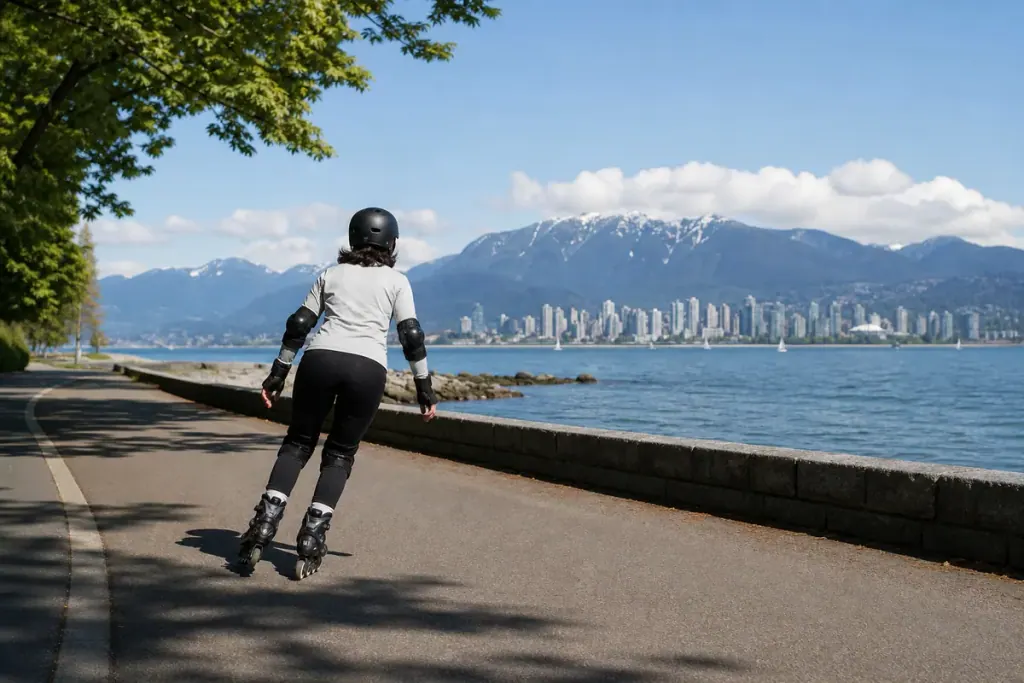
Inline Skating Vancouver: Routes, Rules & Gear
Inline skating in Vancouver can mean a scenic Seawall roll, a steady greenway workout, or controlled practice at a public skatepark. The city has memorable views and useful separated infrastructure, but routes differ in pavement, crowd levels, grades, and path rules. A route that is excellent on a bicycle is not automatically comfortable on small skate wheels.
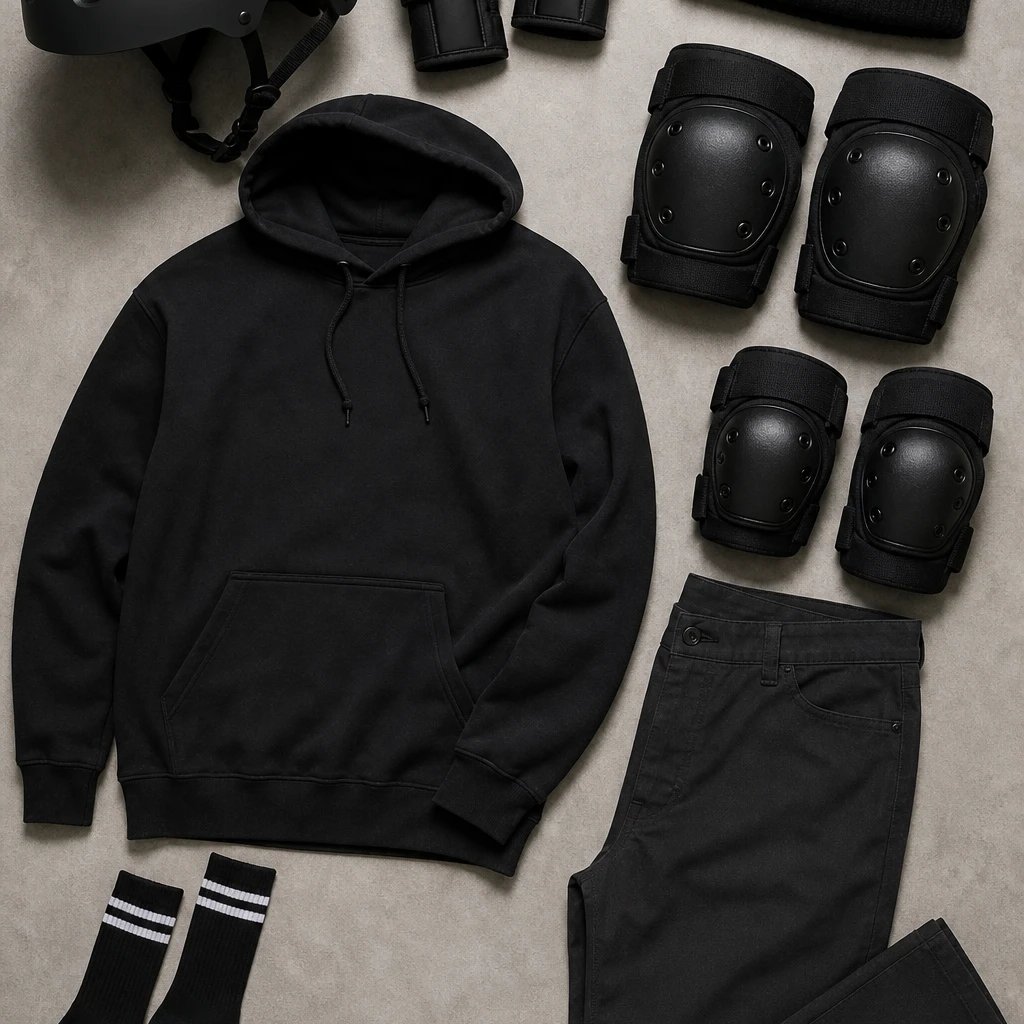
For a first Vancouver session, choose a dry, paved, low-traffic section with room to stop. Wear a certified helmet, wrist guards, knee pads, and elbow pads. Learn a dependable stop before entering a busy shared path, and treat pedestrians as the most vulnerable path users.
Best Vancouver Inline Skating Routes at a Glance
| Route | Best for | What to check first |
|---|---|---|
| Stanley Park Seawall | Scenic recreational skating | Direction signs, crowd levels, wet or sandy sections |
| Seaside Greenway outside Stanley Park | Waterfront cruising and city connections | Construction detours, intersections, surface transitions |
| Arbutus Greenway | Longer urban fitness sessions | Crossings, grades, debris, and the return distance |
| Central Valley Greenway | Experienced urban distance skaters | Route-finding, mixed traffic, surface changes, and transit return options |
| Public skateparks | Aggressive skill practice | Park rules, busy periods, obstacle difficulty, and discipline-specific equipment |
Official conditions and detours can change. Check the City of Vancouver route pages and current signage on the day you skate.
Stanley Park Seawall
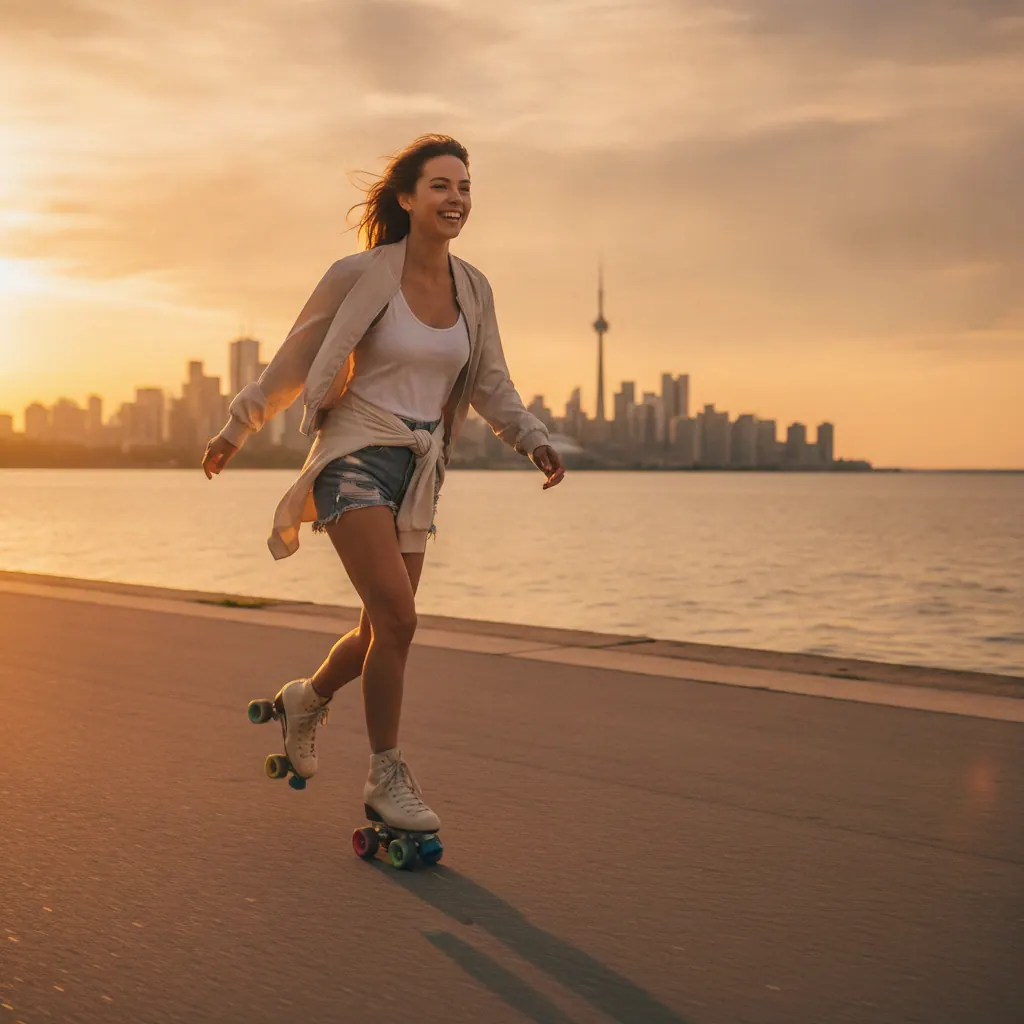
The Stanley Park Seawall is the iconic Vancouver choice. The City describes the Stanley Park loop as approximately 9 km and places cyclists and inline skaters on a path separated from walkers and joggers. The full Seaside Greenway and Seawall network extends much farther beyond the park.
That separation does not make the route a speed track. Expect tourists, families, bicycles, mobility devices, and people unfamiliar with local flow. Follow directional signs, leave a generous stopping distance, announce passes calmly, and slow down where sight lines narrow.
Who should skate it?
Confident beginners can use a quieter, dry section once they can brake and turn reliably. Complete beginners should practise elsewhere before committing to a loop. You need enough endurance and control to handle the distance, changes in pace, and unexpected stops without depending on a railing.
When should you go?
Early mornings and non-peak periods are usually easier than sunny weekend afternoons. Avoid skating immediately after rain. Painted lines, leaves, metal covers, wooden surfaces, and fine debris can lose grip even when the surrounding asphalt looks acceptable.
The City's Stanley Park map and guide is worth reviewing for path routing and on-site signs. Posted directions and closures take priority over any blog itinerary.
Seaside Greenway Beyond Stanley Park
Vancouver's waterfront network continues through areas such as Coal Harbour, False Creek, and Kitsilano. This makes it possible to build a shorter out-and-back skate instead of completing a fixed loop. Pick a turnaround point based on control and energy, remembering that the trip is only half complete when you reach it.
Surface details matter. In 2025, the City announced a new connection near Science World with asphalt on the western section and compacted gravel on the eastern section. The City's project update is a useful reminder to confirm the exact surface rather than assuming every new greenway segment is skate-friendly. Small, hard wheels are poorly suited to loose material.
At intersections and plazas, reduce speed enough to step onto grass or stop under control if the path becomes blocked. Do not weave through pedestrians to preserve momentum.
Arbutus Greenway
The Arbutus Greenway follows a former rail corridor for roughly 9 km between False Creek and the Fraser River area. It is a practical option for a sustained urban roll because much of the route is separated from motor vehicles.
It still includes crossings and changing neighbourhood conditions. Before a long session:
- Inspect the first section for pavement condition and debris.
- Decide whether the return is by skate or transit before you get tired.
- Keep speed conservative at road crossings.
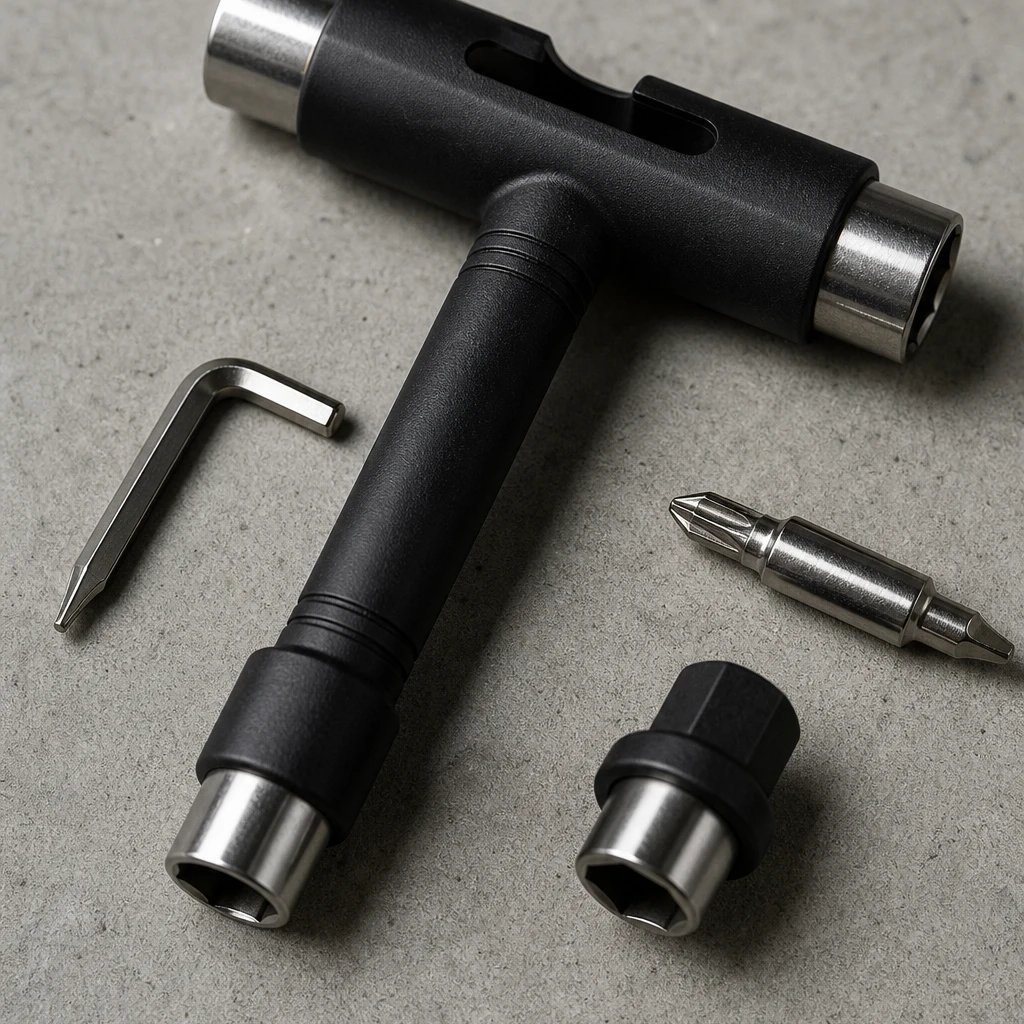
- Carry water and a small skate tool without overloading a backpack.
- Use lights or reflective elements when visibility is reduced, while avoiding darkness as a new skater.
Large recreational or fitness wheels are more comfortable for this kind of route than aggressive-skate wheels. A heel brake is useful for newer trail skaters.
Central Valley Greenway
The Central Valley Greenway connects Vancouver, Burnaby, and New Westminster. Many parts are separated from vehicle traffic, but it is better suited to experienced distance skaters who can navigate intersections, route transitions, and changing surfaces.
Research a specific segment instead of treating the entire corridor as one uniform skate. Check the weather, daylight, construction notices, and transit options. If a section becomes rough, wet, steep, or confusing, stop and walk rather than improvising at speed.
Vancouver Skateparks for Aggressive Inline
Vancouver's public skateparks are open to wheeled users, and the City maintains a current skatepark directory. Skateparks are appropriate for aggressive inline practice, not a reason to attempt grinds on ordinary recreational skates.
Start on flat ground and low obstacles during a quiet period. Observe the park's flow before entering a line, wait your turn, and never sit on a ledge or ramp that people are using. Our aggressive inline skating guide explains the boot, soul plate, frame, and wheel features designed for this discipline.
What Inline Skates Work Best in Vancouver?
For general paved paths, most skaters are well served by supportive recreational, fitness, or urban inline skates. Prioritize fit and control before wheel size.
Recreational and fitness skates
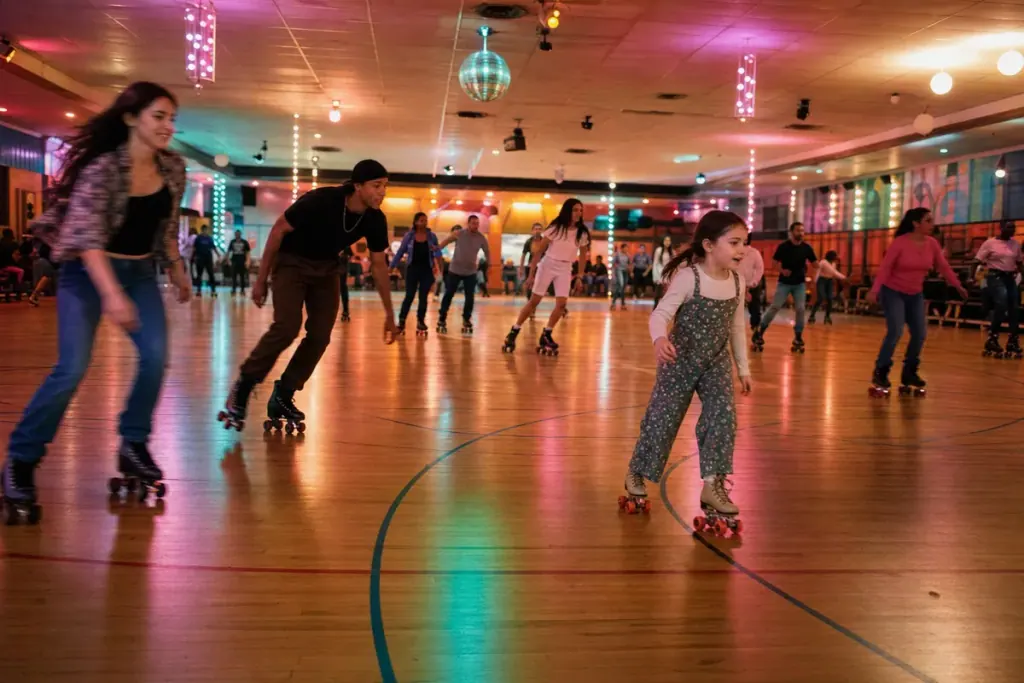
These are the strongest beginner choice. A supportive cuff, comfortable liner, moderate wheel size, and heel brake make them predictable on smooth paths. Browse recreational and fitness inline skates and check each model's sizing notes.
Urban skates
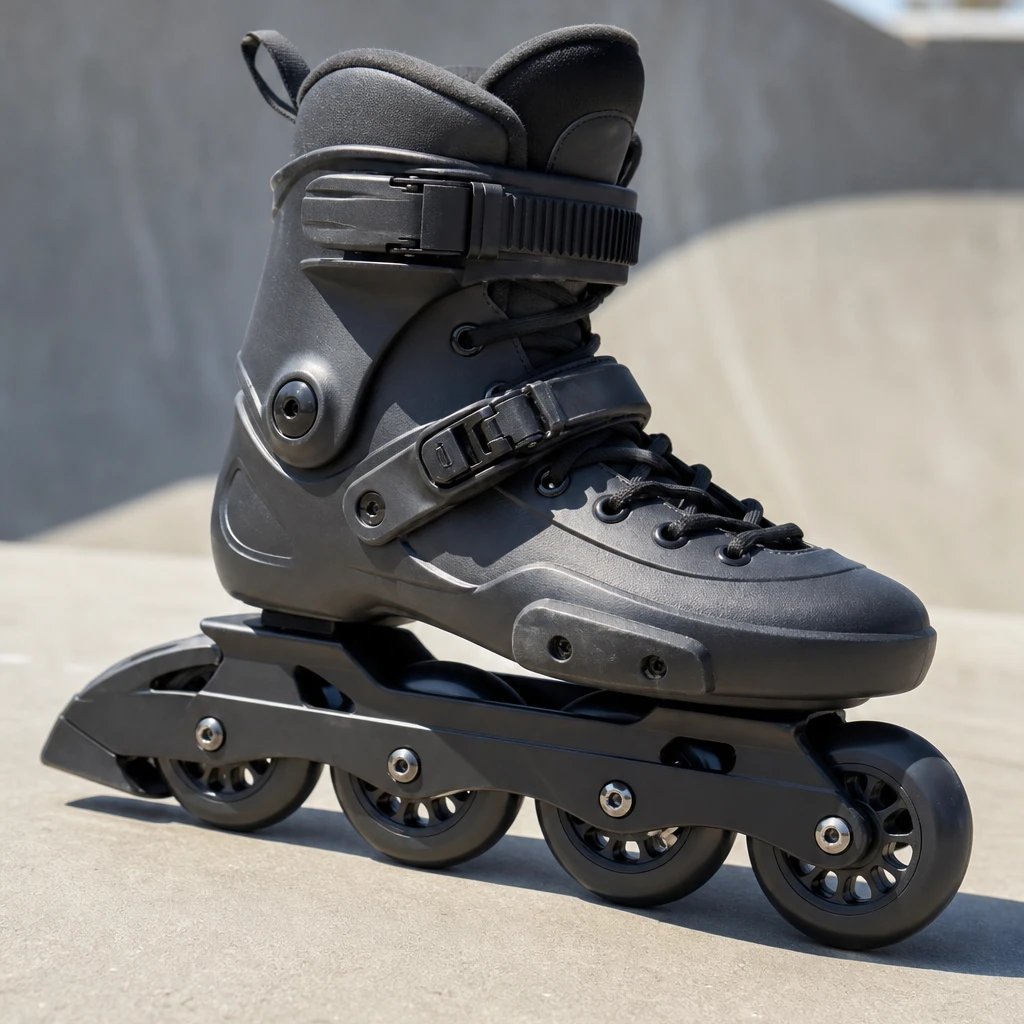
Urban skates use a rigid shell and manoeuvrable frame for experienced skaters navigating denser environments. They are durable and responsive, but they may feel less forgiving than a comfort-focused recreational boot.
Aggressive skates
Aggressive skates have smaller hard wheels and reinforced grind components. They suit skateparks, not long Seawall sessions. The compact setup sacrifices distance comfort for obstacle control.
Speed skates
Low-cut speed boots and long frames demand strong ankle control and refined stopping. Build a base on fitness skates before following the progression in our inline speed skating guide.
Vancouver Conditions to Plan Around
Rain and moisture
Wet pavement reduces grip and can contaminate bearings. Vancouver weather can change quickly, so check the forecast and the actual ground at the route. If it rains, dry metal parts promptly and let liners air out naturally.
Hills
Do not skate down a hill you cannot confidently stop on. A route that feels gentle on foot can produce more speed than expected on wheels. Walk steep or unfamiliar grades and practise braking on level ground.
Debris and surface changes
Twigs, gravel, sand, expansion joints, utility covers, and tactile paving can interrupt a wheel. Keep knees bent, stagger the feet slightly over small predictable imperfections, and slow down whenever you cannot read the surface ahead.
Shared-path etiquette
Control is more important than pace. Stay on the designated wheeled path, follow arrows and signs, pass with space, and avoid headphones that block surrounding sound. Yield where required and expect children or pets to move unpredictably.
Beginner Safety Checklist
Before leaving:
- Helmet sits level and does not shift when fastened.
- Wrist, knee, and elbow protection is secure.
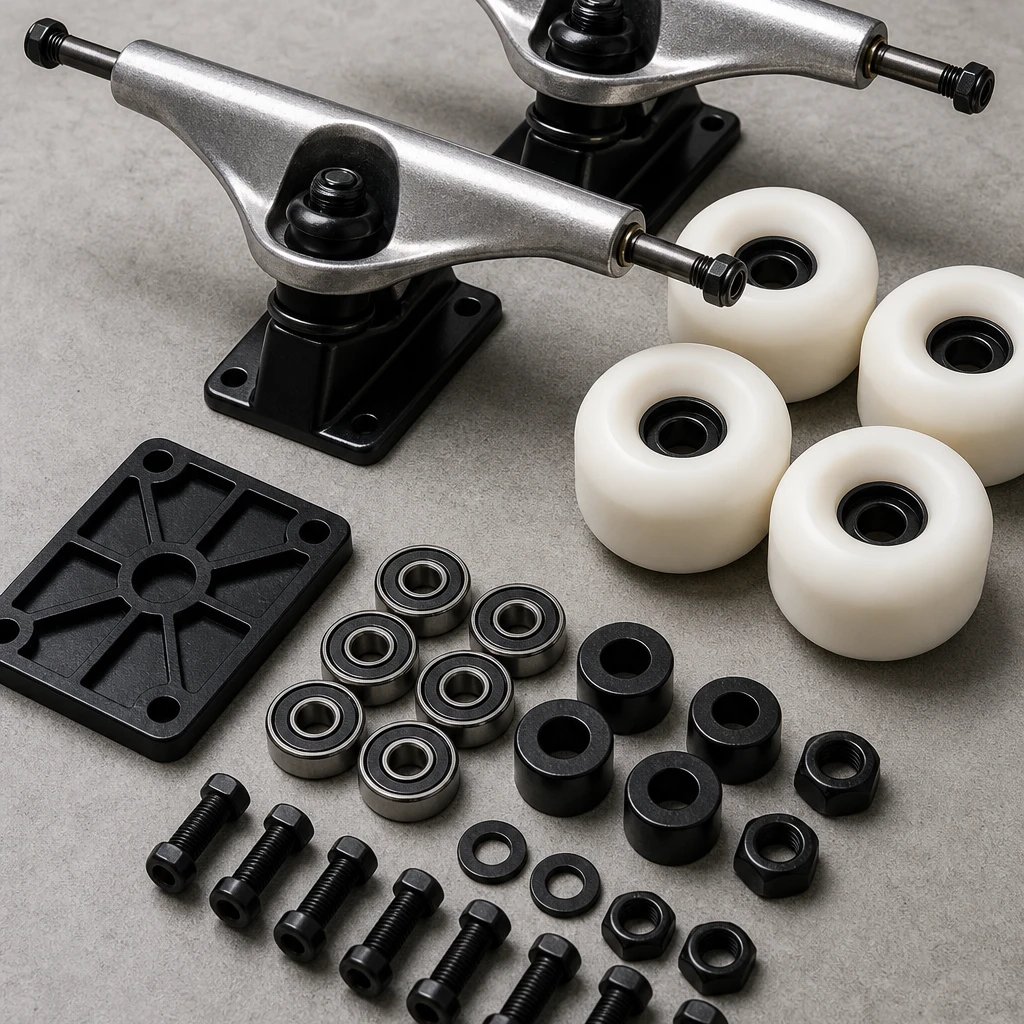
- Wheels spin freely without side-to-side axle play.
- Frame and brake hardware is tight.
- Route is paved, dry, open, and within your ability.
- Phone is charged and a contact knows the plan for longer sessions.
During the skate:
- Maintain a bent-knee stance.
- Leave more stopping room than a bicycle.
- Slow before blind corners, crossings, and congestion.
- Turn around before fatigue damages technique.
- Walk any section that exceeds your control.
New to the sport? Read the complete inline skating beginner guide before choosing a route.
Vancouver Inline Skating FAQ
Can you inline skate on the Vancouver Seawall?
Yes, the City directs cyclists and inline skaters to the designated wheeled path in Stanley Park. Follow current signs, direction of travel, closures, and speed guidance.
Is the Stanley Park Seawall good for beginners?
It can suit a beginner who can already stop, turn, manage a sustained distance, and skate predictably near other users. It is not the best place to learn standing and braking for the first time.
Can I skate Vancouver greenways after rain?
It is safer to wait for a dry surface. Moisture reduces wheel grip, makes markings and metal slippery, and can shorten bearing life.
What wheels should I use?
Choose the wheel range approved for your frame and the surface you actually skate. Moderate-to-large recreational wheels with outdoor-appropriate grip are a practical starting point for paved paths. Do not fit oversized wheels to an incompatible frame.
Plan a Controlled First Route
Vancouver rewards preparation: select a dry paved segment, go outside peak hours, wear full protection, and turn around while your stopping remains sharp. Use City sources for current route status and on-site signs for the final decision.
If your current skates are uncomfortable or poorly matched to the route, compare inline skates, helmets, and protection gear before adding distance.