Aggressive Inline Skating: A Beginner Guide
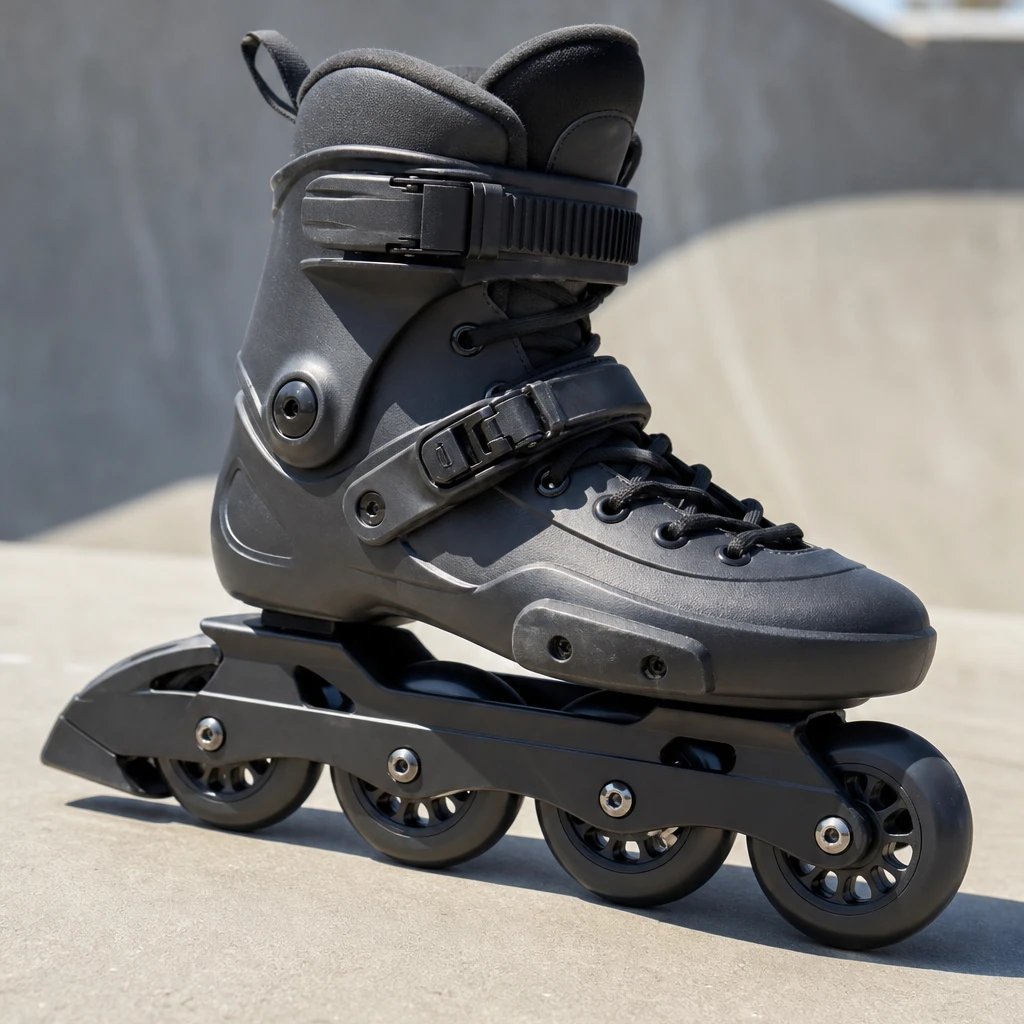
Aggressive inline skating is the branch of inline skating built around skatepark and street obstacles: ledges, rails, ramps, bowls, and transitions. Its equipment is deliberately different from fitness or recreational skates. Reinforced boots, soul plates, and grind-ready frames help skaters slide on obstacles and absorb repeated impacts, while compact wheels prioritize clearance and control over trail speed.
Beginners should not start by jumping onto a rail. Build a stable stance, dependable stops, controlled turns, backward rolling, small hops, and basic ramp awareness first. Wear a certified helmet and protection, learn in small increments, and stop a session when fatigue begins to change your landings.
What Makes Aggressive Inline Skates Different?
| Component | Aggressive design | Why it matters |
|---|---|---|
| Boot and cuff | Reinforced, supportive shell | Manages lateral movement and repeated park use |
| Soul plate | Broad replaceable surface under and beside the boot | Creates a platform for soul-based grinds |
| Frame | Grind space between the middle wheels or anti-rockers | Helps the skate lock onto ledges and rails |
| Wheels | Usually smaller and harder than fitness wheels | Adds clearance and resists deformation during park use |
| Liner and shock absorber | Secure fit with impact management | Reduces movement inside the shell and softens landings |
| Heel brake | Normally absent | Would catch on ramps and obstacles |
Do not convert ordinary recreational skates into aggressive skates by removing the brake. The missing parts—soul plates, reinforced mounting, suitable frames, and impact-oriented construction—are the features that matter.
The Main Aggressive Inline Disciplines
Modern roller freestyle competition includes street, park, and vert formats. The World Skate Roller Freestyle rules show how distinct those environments are even at an organized level.
Street
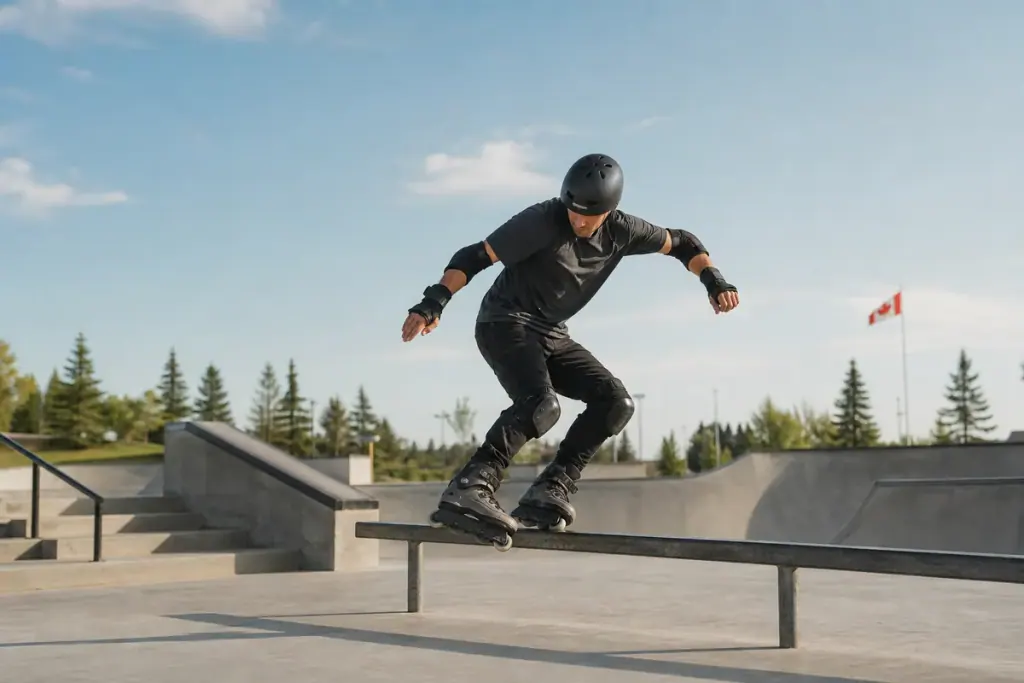
Street skating uses rails, ledges, stairs, banks, and other urban-style features. Public spaces may prohibit skating or create unacceptable risk for pedestrians and property. A purpose-built skatepark with street obstacles is the responsible place to learn.
Park
Park skating links ramps, bowls, ledges, and rails into lines. It rewards flow, control, and the ability to read who has priority. Beginners should learn on low banks and small transitions before dropping into deep bowls.
Vert
Vert uses large halfpipes and significant air. It is an advanced discipline that requires strong ramp skills, protective equipment, and appropriate supervision. It is not a first-month target.
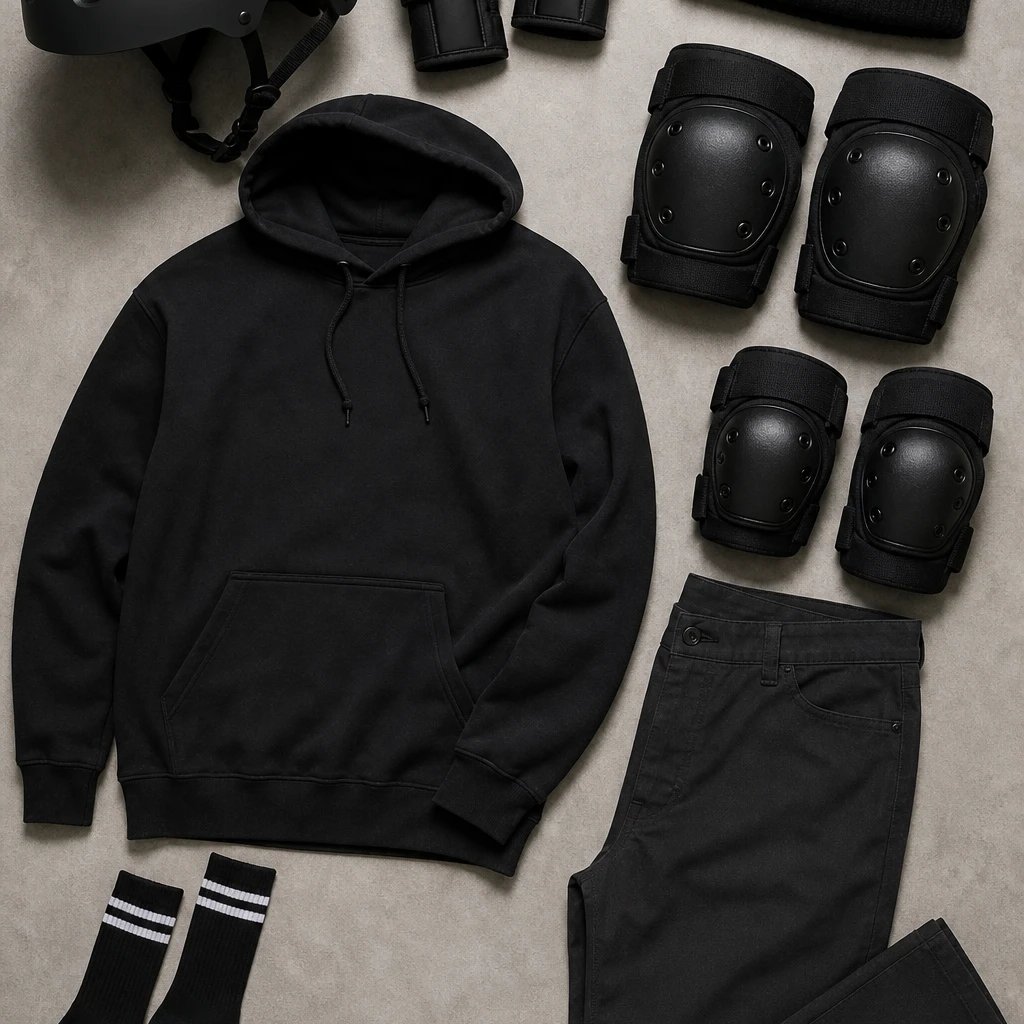
Protective Gear for Aggressive Skating
Falling is part of the learning process. Protection does not make every attempt safe, but it reduces avoidable consequences and makes low-risk repetition more practical.
- Certified helmet: replace it after a significant impact or when the manufacturer says its service life has ended.
- Wrist guards: useful for slides and forward falls, provided they fit without interfering with hand movement.
- Knee pads: hard-cap park pads can slide on smooth surfaces instead of catching abruptly.
- Elbow pads: protect during side and backward falls.
- Protective shorts: add hip, thigh, and tailbone coverage under loose clothing.
- Shin guards: helpful while learning rails and ledges, where missed locks can strike the lower leg.
Browse helmets, wrist protection, and protection packs, then verify certification, condition, and fit for the intended use.
Skills to Learn Before Your First Grind
1. Athletic stance
Keep the knees bent, chest centred over the skates, and hands relaxed in front. A tall, stiff stance makes small errors harder to absorb. Practise maintaining the same body position while coasting slowly over flat ground.
2. Stopping without a heel brake
Aggressive skates normally have no heel brake. Learn a controlled plough-style reduction in speed, step turns, and an appropriate drag stop on a smooth, empty surface. No single method works for every situation, so speed control begins with route choice and conservative momentum.
3. Parallel turns and carving
Roll through broad left and right arcs while keeping both skates under control. On a bank or mellow transition, learn to follow the curve rather than twisting the upper body abruptly.
4. Backward rolling
Many park lines and landings involve fakie, or backward, movement. Begin with short backward rolls on flat ground, looking over the correct shoulder while keeping knees bent.
5. Two-foot hops
Start over a painted line. Compress, lift both skates only as high as necessary, and land quietly with knees bent. Add height or an obstacle only after repeated balanced landings.
6. Stepping on and off a low curb
Use a very low, dry obstacle and a spotter if needed. This teaches accurate foot placement without the commitment of a grind.
If basic rolling and stopping are still new, begin with the complete inline skating guide before moving into park skills.
A Safe Progression to Grinds
Stage 1: Learn the position without moving
On a low wax-free practice ledge, step into the intended grind position while holding a stable support or working with an experienced coach. Identify which part of each skate contacts the obstacle. Do not jump onto a rail simply to discover the position.
Stage 2: Stall a low ledge
A stall lands in the grind position without sliding. Approach slowly, hop only enough to clear the edge, land with bent knees, and step off under control. Repeat both the entry and exit.
Stage 3: Add a short slide
Use a low, smooth, skate-permitted ledge with a clear runout. Add only enough speed for a brief slide. Keep the shoulders aligned with the movement and focus on a clean exit rather than distance.
Stage 4: Build consistency
Repeat the same low-risk skill before increasing height, speed, or obstacle difficulty. Change one variable at a time. Filming from a safe position can reveal an upright stance or uneven landing that is difficult to feel.
Rails, drops, gaps, and deep transitions belong later. A local lesson or experienced park mentor can shorten the learning curve and improve risk assessment.
Understanding Frames and Wheel Setups
Flat setup
A flat setup uses four rolling wheels per skate. It rolls smoothly and helps maintain speed, but the middle wheels can catch an obstacle if the grind space and technique are not aligned.
Anti-rocker setup
An anti-rocker setup uses two main rolling wheels and smaller, hard middle anti-rockers. It creates a generous grind channel but feels slower and less smooth on rough ground.
Freestyle frame
Some frames use a large open groove with no middle wheels. They maximize grind space but change rolling feel and are not the most versatile first setup for every skater.
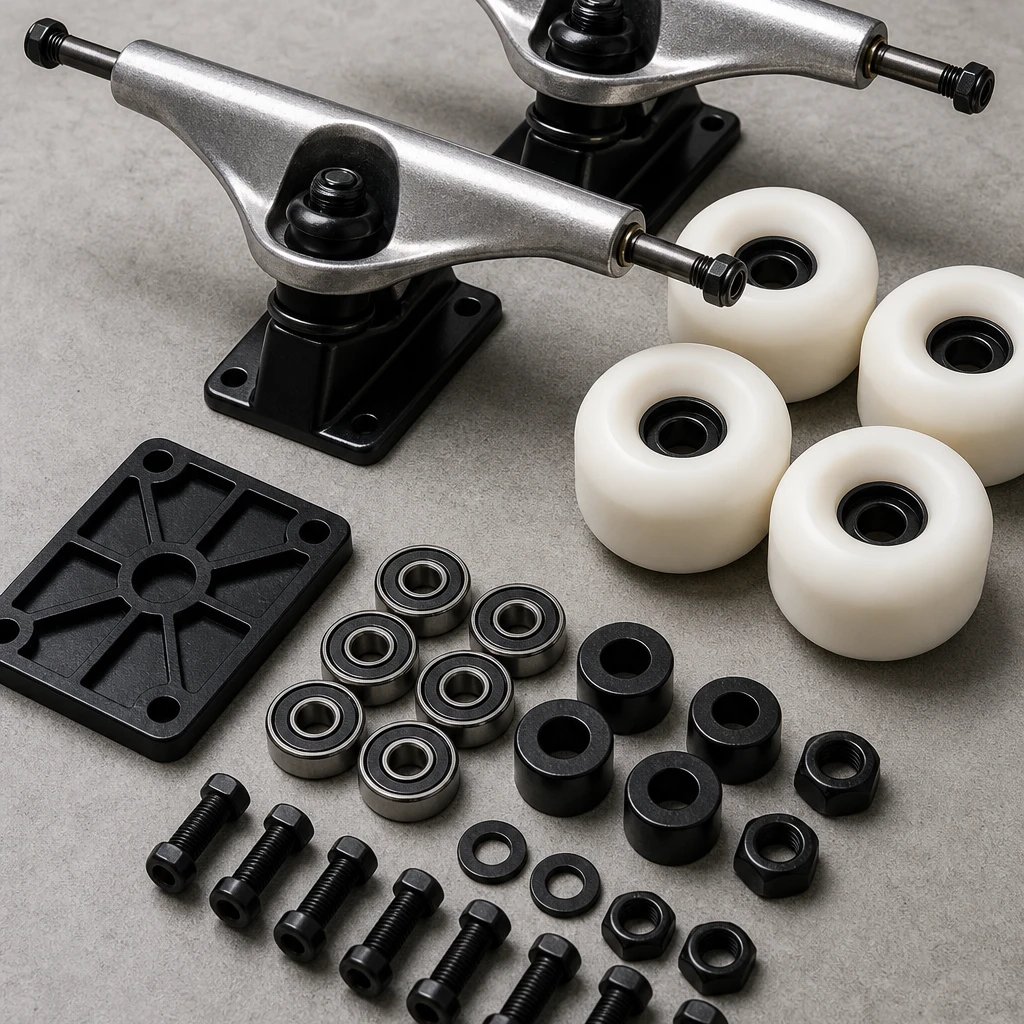
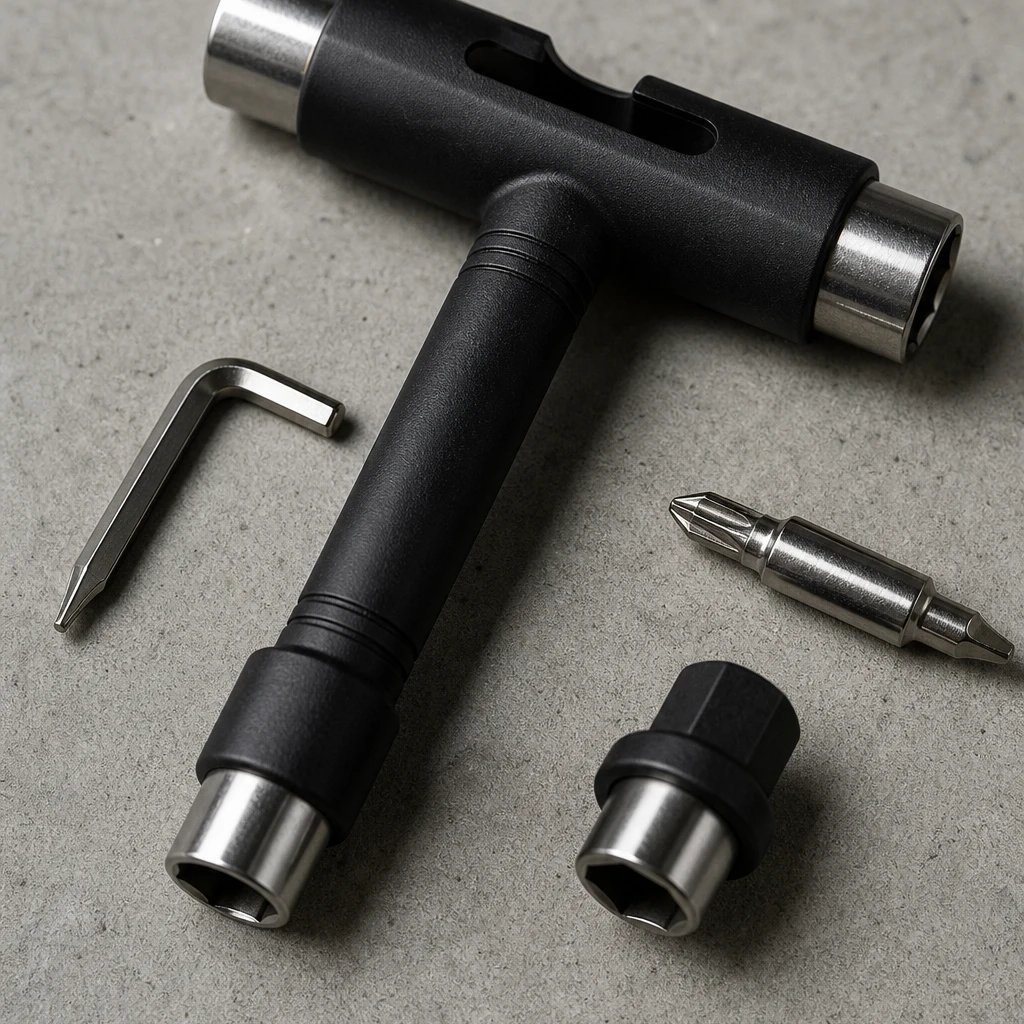
Stay within the frame manufacturer's approved wheel sizes and hardware. Wheel and frame changes affect clearance, speed, stability, and how the skate locks onto obstacles.
Skatepark Etiquette
Good etiquette protects everyone and creates more time to skate:
- Watch the park flow before entering an obstacle line.
- Wait until the previous person has cleared the full landing and runout.
- Do not stand, sit, or place bags on ramps, ledges, or rails.
- Call your line when needed, but never assume others heard you.
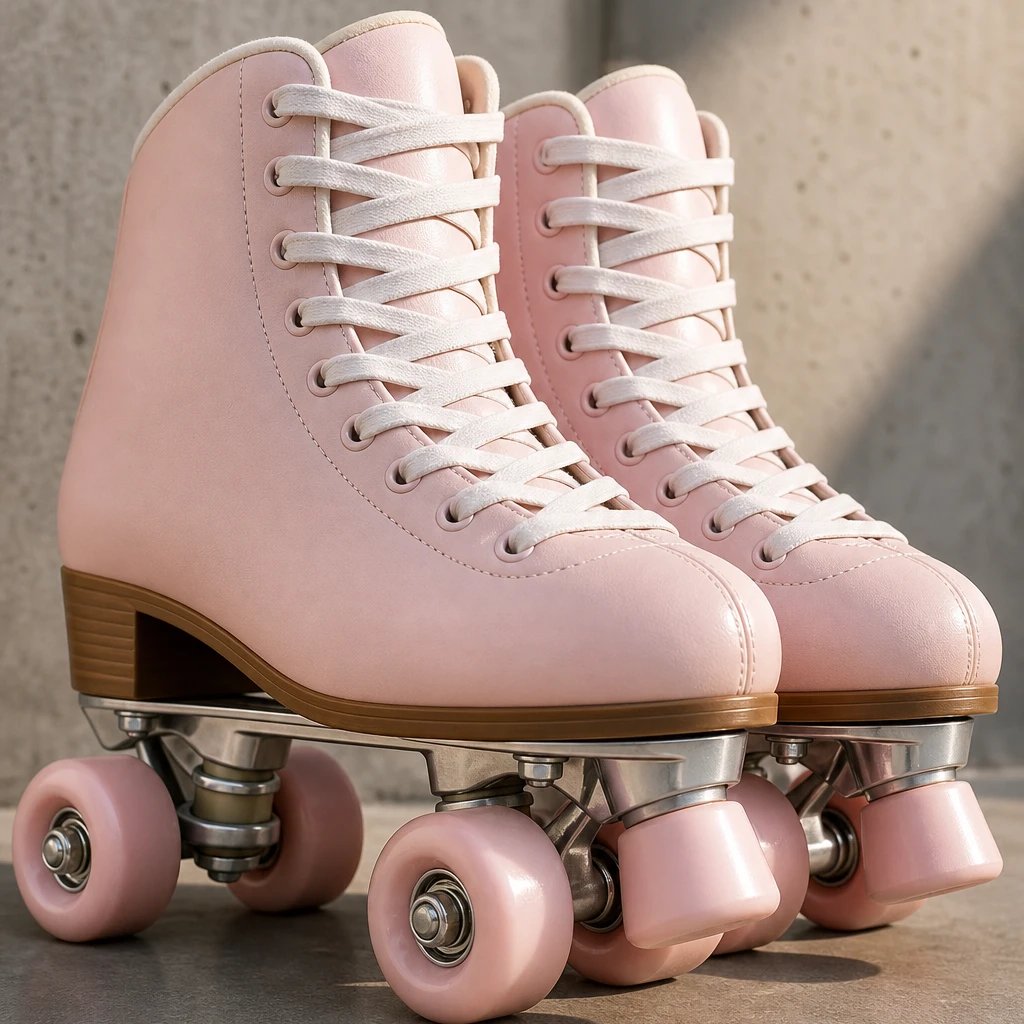
- Take turns with skateboarders, BMX riders, scooter riders, and quad skaters.
- Keep wax use within park rules; excess wax can make an obstacle dangerous for others.
- Leave when rain, frost, or condensation makes concrete or metal slick.
In Vancouver, use the City's public skatepark directory and check posted rules. Elsewhere in Canada, confirm the municipality's rules and operating status before travelling.
Buying Your First Aggressive Skates
Prioritize shell fit and intended use over appearance. Your heel should remain secure, toes should not be painfully compressed, and pressure should be distributed rather than concentrated. Thick aggressive liners can change fit as they settle, so follow the exact model's sizing guidance rather than assuming your street-shoe size.
Check whether the skate uses replaceable soul plates and a common frame mounting standard. Replaceable wear parts can extend the useful life of the boot. Ask whether the stock wheel setup matches flat-ground learning and your local park surface.
Our inline skates collection includes multiple disciplines; read each product description carefully and choose a model explicitly identified for aggressive skating.
Aggressive Inline Skating FAQ
Can I use fitness skates at a skatepark?
They can roll on flat park pavement, but they are not designed for grinds or repeated impacts. Long frames, large wheels, and heel brakes can catch obstacles. Use purpose-built aggressive skates for aggressive techniques.
Are aggressive skates good for trails?
Generally no. Their compact, hard wheels and grind-oriented frames are slower and harsher over distance than recreational or fitness setups.
What grind should a beginner learn first?
There is no universal first grind, because comfort, stance, obstacle design, and coaching differ. Learn stationary positions and low stalls before any moving grind; a qualified local instructor can help choose the progression.
How often should I inspect my skates?
Before every session. Check wheels, axles, frames, mounting bolts, soul plates, buckles, laces, and cracked plastic. Retighten hardware to the manufacturer's specification and replace damaged parts.
Build Control Before Difficulty
Aggressive inline skating is rewarding because progress is visible: a cleaner stance, a quieter landing, a longer controlled line. Protect that progress by using purpose-built skates, full protective gear, low obstacles, and one-variable-at-a-time practice. The goal is not to survive the biggest attempt; it is to build skills you can repeat.