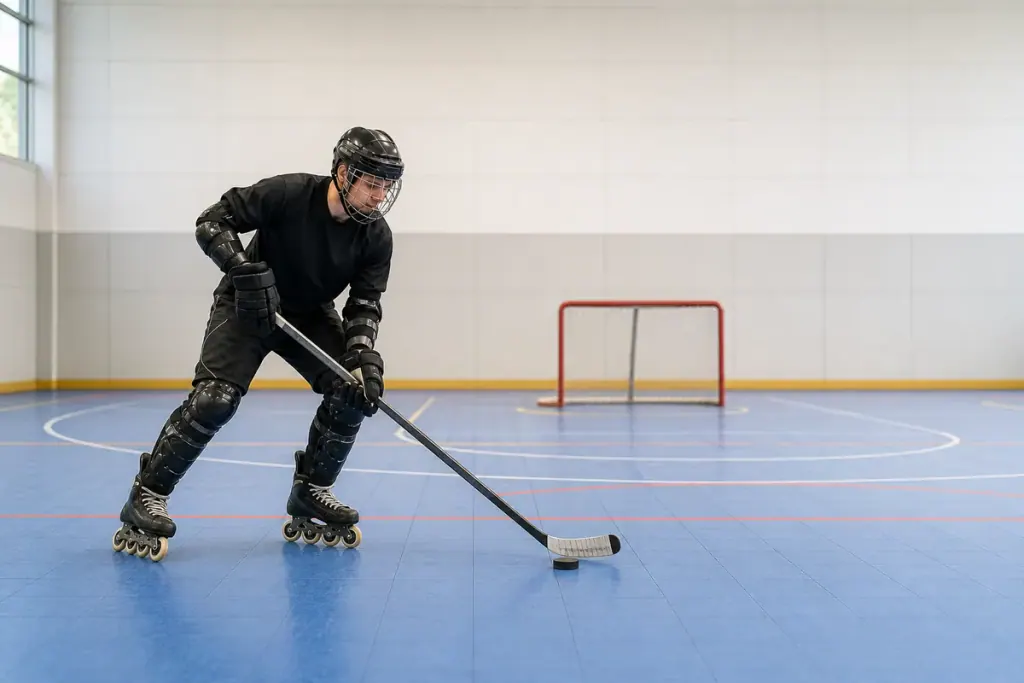
Roller Hockey Starter Guide: Skates, Gear & Skills
Roller hockey, also called inline hockey, adapts familiar hockey skills to inline skates and a dry playing surface. Games are often faster and more open than ice hockey because there are fewer players on the surface and no traditional offside structure in some rulesets. For a beginner, the important differences are simpler: there are no skate blades, stopping feels different, and wheel choice must match the floor.
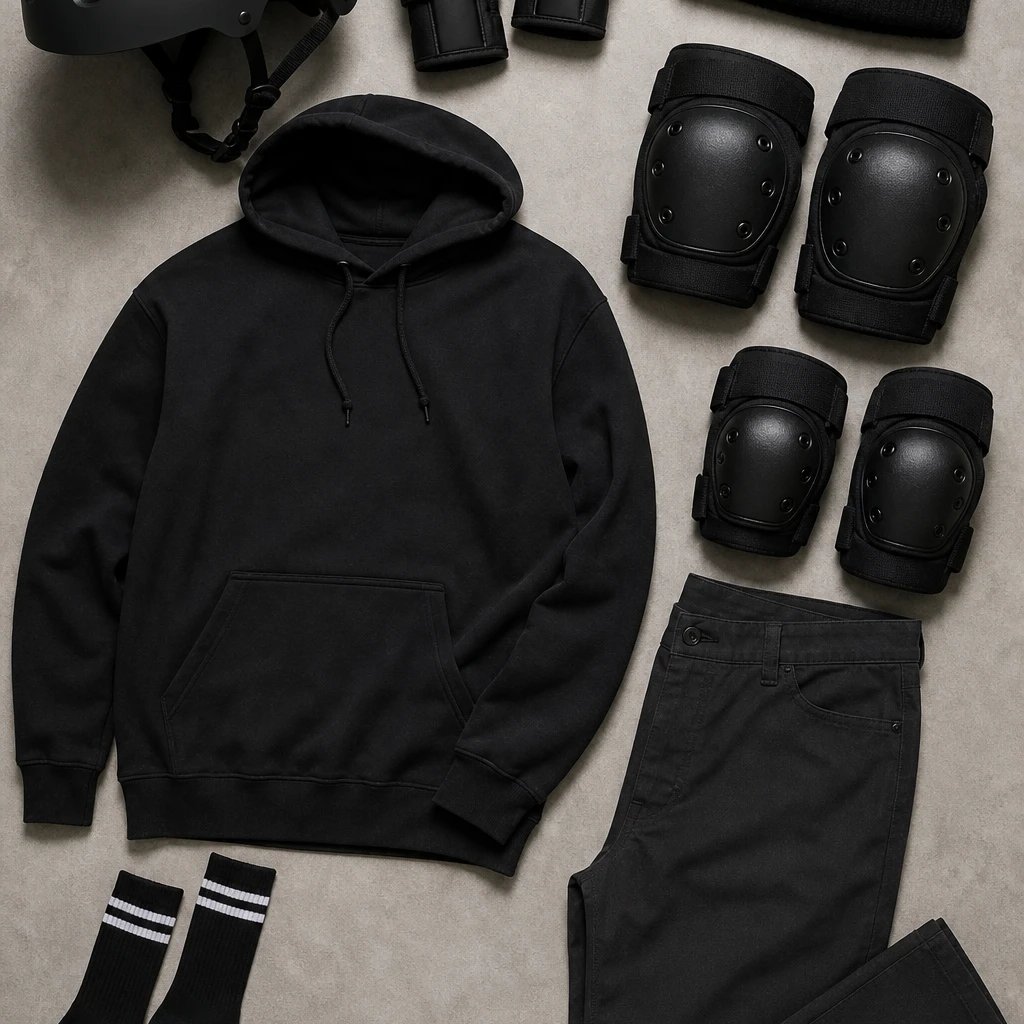
Start with correctly fitted inline hockey skates, a certified hockey helmet with full face protection, gloves, shin and elbow protection, appropriate pants or a girdle, and the equipment required by your league. Learn balance, stopping, turning, and falling before adding competitive speed.
Roller Hockey Gear Checklist
| Equipment | Why you need it | Fit check |
|---|---|---|
| Inline hockey skates | Support quick starts, turns, and puck play | Heel stays secure; toes are not crushed; ankles remain centred |
| Certified helmet and full face protection | Protects the head, eyes, and face | Sits level, fastens securely, and meets league rules |
| Gloves | Protect hands while preserving stick control | Fingers reach the end without excess material |
| Elbow pads | Protect falls and contact | Do not slide when the arm bends |
| Shin guards | Protect lower legs from pucks, sticks, and falls | Cover knee to skate tongue without a gap |
| Protective pants or girdle | Adds hip, thigh, and tailbone coverage | Does not restrict stride or expose padding gaps |
| Athletic protector and neck protection | Required by many programs | Confirm the league's exact standard |
| Hockey stick | Controls the puck on the playing surface | Appropriate length, flex, curve, and blade material |
| Puck or ball | Matches the league and surface | Use the organizer-approved type |
The World Skate inline hockey rules describe formal equipment and game requirements, but local Canadian leagues may apply different or additional standards. The organizer's current rules always determine what you need for a specific session.
Inline Hockey Skates vs Recreational Skates
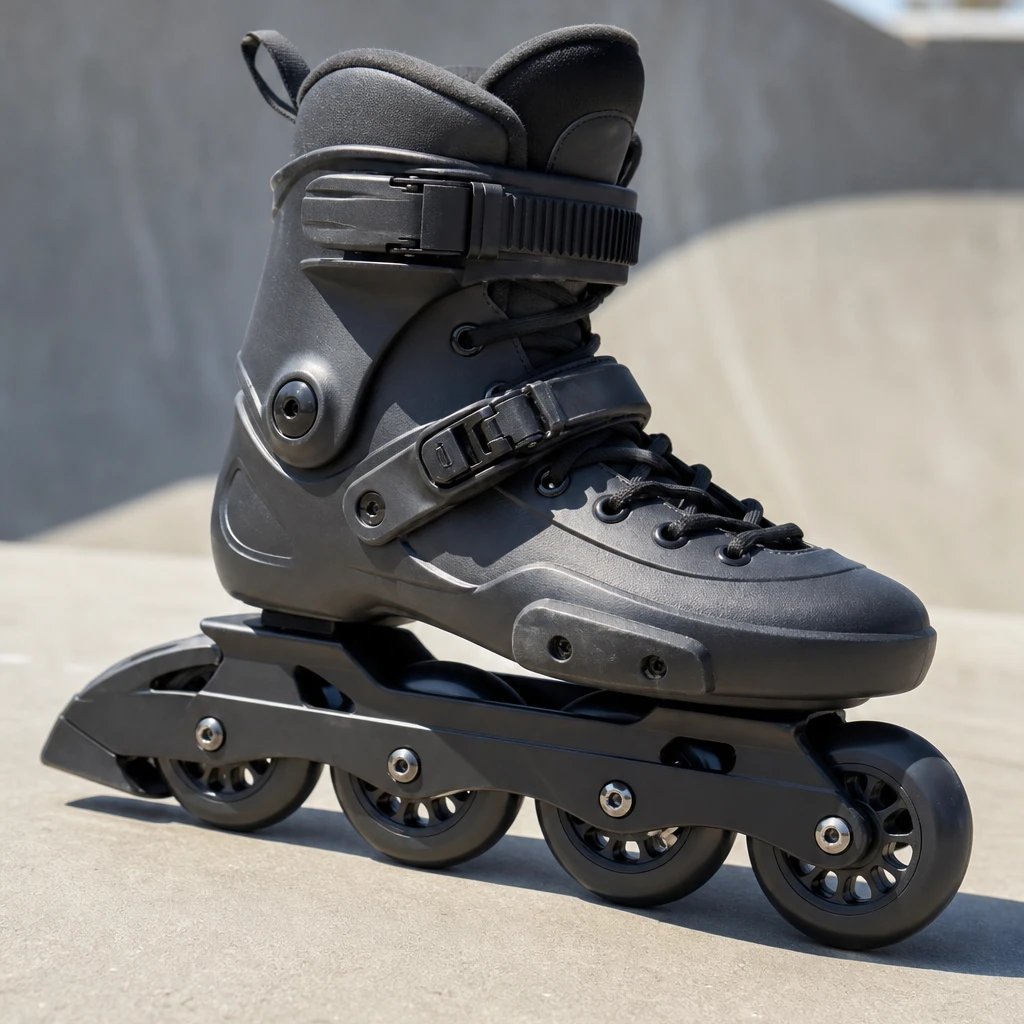
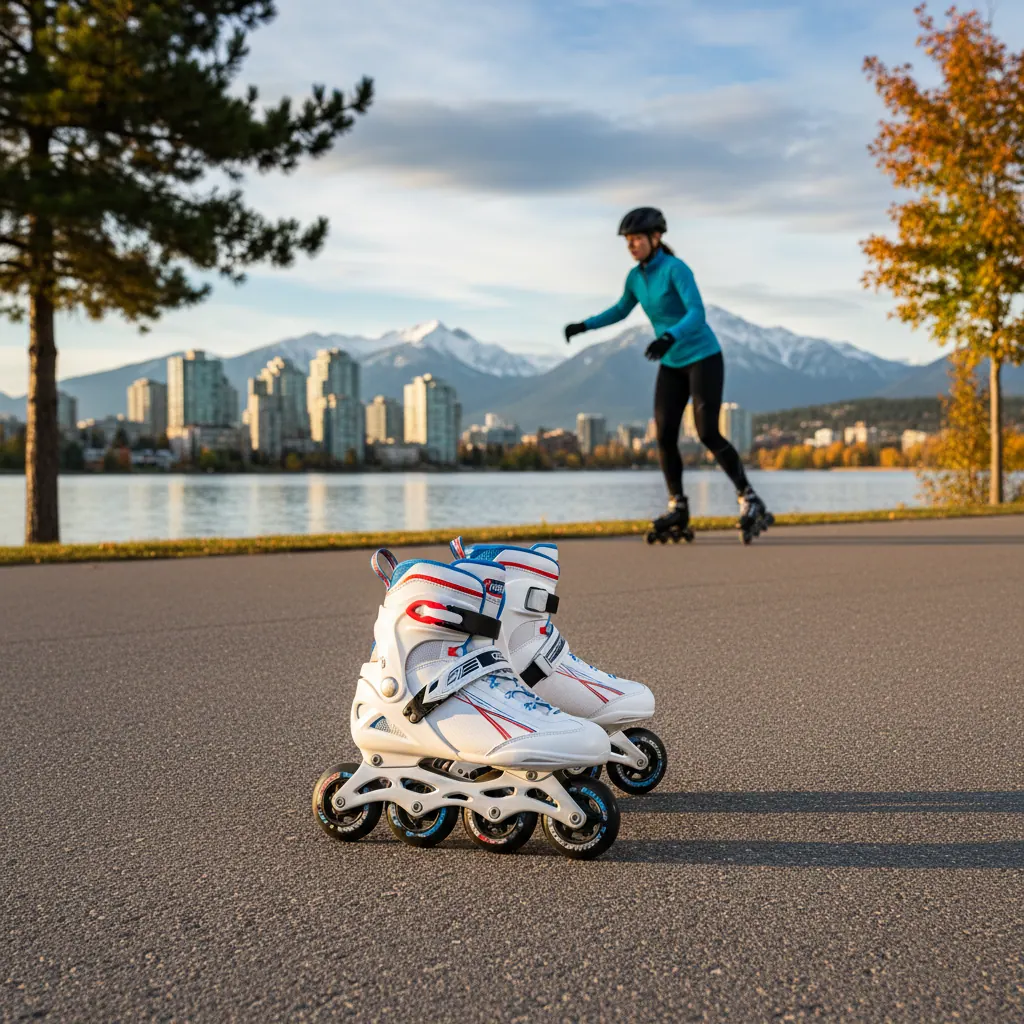
Hockey skates are built around quick direction changes. They typically use a firm boot, no heel brake, and a short manoeuvrable frame. Many use a “hi-lo” wheel arrangement, with smaller wheels at the front and larger wheels at the rear, to create an agile stance.
Recreational skates prioritize comfort, straight-line stability, and often a heel brake. They can be useful for basic skating practice, but the heel brake and softer construction may interfere with hockey movement. Do not remove a brake and assume the skate is now hockey-ready.
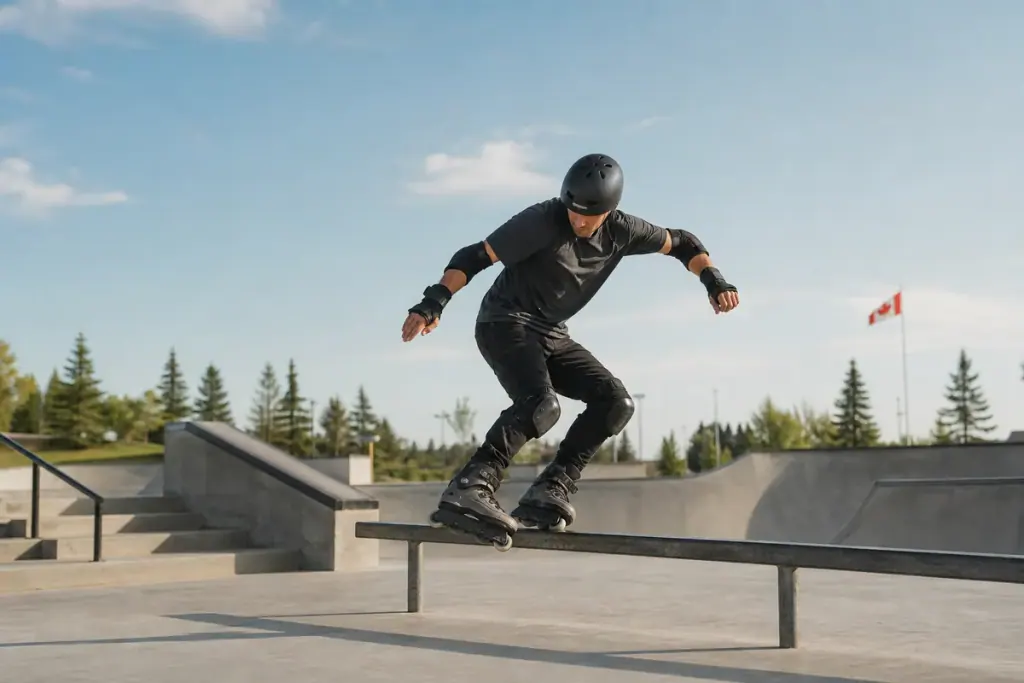
Aggressive skates are also the wrong substitute. Their small hard wheels and grind-oriented frames are designed for ledges and rails, not grip and acceleration on sport court.
When shopping the inline skates collection, choose a model explicitly intended for hockey and follow its exact sizing guidance.
How Roller Hockey Skate Fit Should Feel
A hockey skate should hold the heel and midfoot firmly. Excess space lets the foot move before the skate responds, encouraging players to overtighten laces and reducing control. A fit that is painfully short or narrow can cause numbness and prevent proper stance.
Measure both feet in millimetres while standing. Compare the larger foot with the manufacturer's model-specific chart. Account for width and volume, not only length. Use the socks you will wear in games; thick hiking socks can bunch and retain moisture.
When laced:
- The heel should remain seated during knee bend.
- Toes may lightly approach the end but should not curl.
- The tongue should protect the front of the ankle without severe pressure.
- The foot should not spill over the footbed or move side to side.
- Knees should track over the toes rather than collapse inward.
Heat moulding can refine the fit of compatible models but cannot make the wrong shell size correct. Follow the manufacturer's heating process or use an experienced shop.
Choosing Wheels for the Surface
Wheel grip is affected by hardness, urethane, player weight, temperature, dust, and surface material. There is no single hardness that works for every player.
Indoor sport court
Purpose-made indoor wheels emphasize grip on smooth tile. A wheel that is too hard for the player and floor may slide during turns; a wheel that is too soft may feel slow or wear rapidly.
Smooth sealed concrete
Some indoor or covered facilities use concrete rather than tile. A slightly more durable setup may be appropriate, but the floor's finish changes the result. Ask local players or the facility what works there.
Outdoor asphalt or rough concrete
Outdoor hockey needs more durable wheels. Soft indoor wheels can wear very quickly on abrasive pavement. Outdoor wheels still need inspection for flat spots, cracking, and uneven wear.
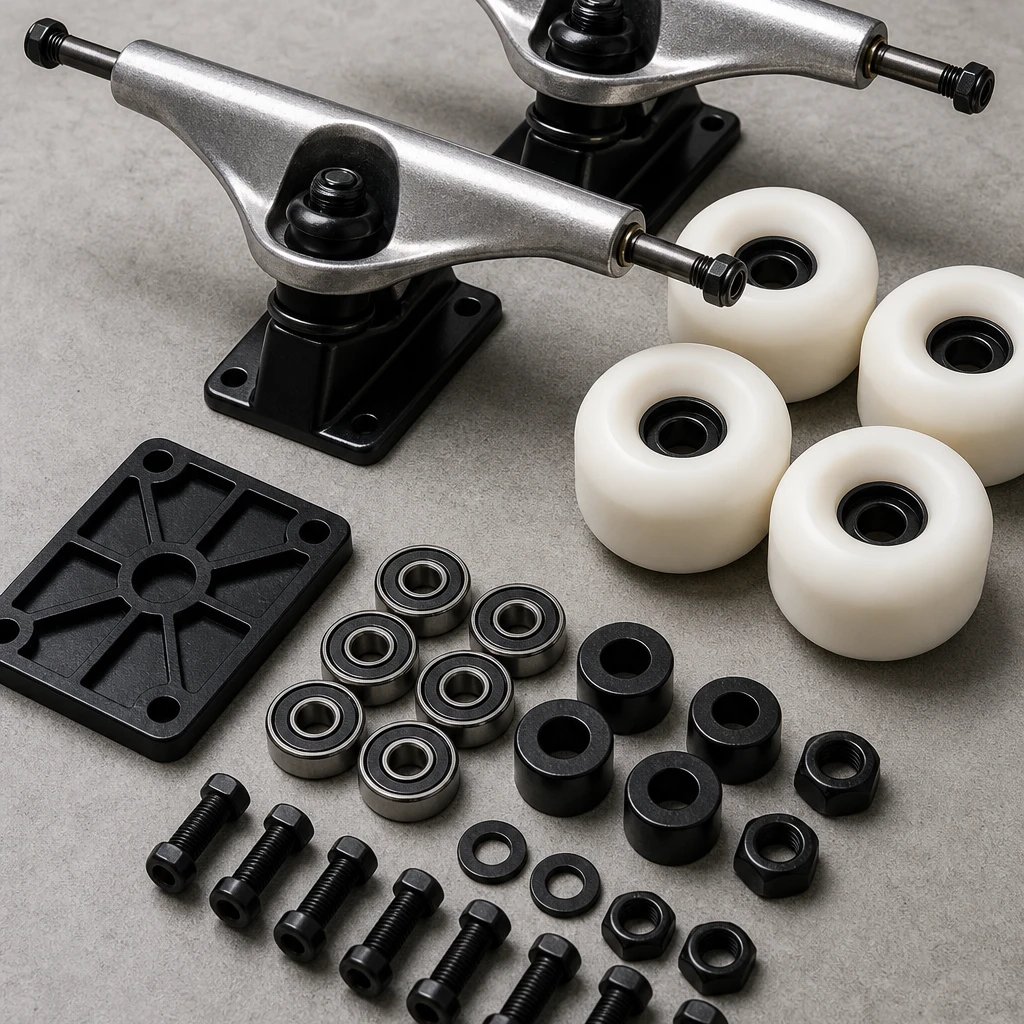
Never exceed the wheel diameter approved for the chassis. On a hi-lo setup, preserve the intended front and rear sizes unless the manufacturer provides another configuration. Shop inline skate wheels by compatibility and surface, not colour alone.
Protective Equipment Details
Helmet and face protection
Use a hockey helmet and face protector certified to the standard required by the league. A bicycle helmet is not a substitute for organized hockey equipment. Replace damaged or expired equipment according to the manufacturer.
Shin and elbow protection
Inline hockey still involves falls, sticks, boards, and pucks. Shin guards should meet the skate tongue without leaving the lower leg exposed. Elbow pads must remain centred when the arm is straight and bent.
Pants and girdles
Inline hockey pants are often ventilated shells worn over a protective girdle. Some recreational programs permit other approved combinations. Confirm what protection is included; loose pants alone do not protect hips or the tailbone.
Gloves
Hockey gloves protect fingers and the back of the hand while allowing the wrists to move. Replace pairs with split palms or broken protective segments.
Browse protective helmets and protection gear, but verify that each item is certified and accepted for hockey before purchasing.
Six Skills to Learn Before Your First Game
1. Ready position
Bend the knees and ankles, keep the chest up, and centre pressure over the skates. Hold the stick with the blade on or near the floor without using it as a crutch.
2. Forward stride
Push laterally through the wheels and recover the skate under the body. Short controlled pushes are better than long unstable ones while learning.
3. Stopping
Hockey skates have no heel brake. Practise speed reduction, tight turns, and hockey-style stops under qualified instruction on an empty surface. Stopping grip changes dramatically between tile and pavement.
4. Two-foot turns and crossovers
Learn broad turns in both directions before crossovers. Keep the head up and control the exit speed. Crossovers should add efficient movement, not hide weak balance.
5. Backward skating and transitions
Defensive play requires backward movement. Practise looking over both shoulders and transitioning forward-to-backward at low speed before introducing a puck.
6. Puck control with the head up
Begin stationary, then walk the puck through wide movements. Progress to slow skating only when you can glance ahead frequently. A beginner who stares at the puck cannot read teammates, boards, or traffic.
Our inline skating beginner guide covers stance, stride, falling, and basic maintenance in more detail.
A First-Practice Plan
Warm-up: 10 minutes
Inspect equipment, then use easy laps and dynamic movements to raise body temperature. Avoid hard shots or sprints while players are still entering the surface.
Skating fundamentals: 15 minutes
Practise ready position, forward stride, controlled turns, and stopping. Use cones with generous spacing. Work in both directions and leave enough room for each player to finish the drill.
Puck skills: 15 minutes
Add stationary handling, slow moving control, forehand and backhand passes, and receiving. Accuracy and soft hands matter more than shot power.
Small-area play: 15 minutes
Use a coach-supervised low-contact game with clear boundaries. Small-area play creates decisions without encouraging full-rink speed.
Cool-down and inspection: 5 minutes
Finish with easy movement. Check wheels and hardware while any unusual sound or vibration is still fresh in memory.
This is a general progression, not a substitute for a qualified coach or the league's practice plan.
Roller Hockey Etiquette and Safety
- Confirm whether the session is beginner, recreational, or competitive before joining.
- Keep sticks below the height allowed by the rules and maintain control through follow-through.
- Do not shoot while another person is retrieving pucks from the net.
- Leave the playing surface promptly when a wheel, axle, helmet, or protective item becomes loose.
- Remove jewellery and secure long hair.
- Use only the puck or ball approved for the surface and group.
- Hydrate—indoor sport courts can become warm even in winter.
- Respect no-contact rules; equipment is not permission to body-check.
Skate Maintenance Between Games
Inspect the skates before and after every session:
- Spin each wheel and check for flat spots or missing material.
- Confirm axle and chassis hardware is secure.
- Rotate wheels in the pattern specified for the chassis; preserve a hi-lo arrangement.
- Wipe moisture and floor dust from the skates.
- Air-dry footbeds and liners away from direct heat.
- Replace damaged laces, eyelets, buckles, or rivets before playing.
Bearings should not be soaked in water or sprayed indiscriminately. Use the manufacturer's cleaning guidance and replace rough or damaged bearings with the correct size. Compare compatible inline skate bearings when service no longer restores smooth rotation.
Roller Hockey FAQ
Is roller hockey good preparation for ice hockey?
It can develop puck handling, passing, conditioning, and game awareness, but skating mechanics and stopping differ. Treat it as a related sport rather than an exact replacement for ice training.
Can beginners use a ball instead of a puck?
Only if the league or practice organizer approves it. Balls and pucks behave differently, and the surface may be designed for one type.
Do I need special indoor wheels?
For sport court, surface-appropriate indoor wheels usually provide the best grip. Ask the facility and check chassis compatibility before changing sizes or hardness.
Can I play outdoors with indoor wheels?
You can damage soft indoor wheels quickly on abrasive pavement and may get unsuitable performance. Use a dedicated outdoor set and inspect it frequently.
Is full face protection necessary?
Follow the league's current requirement. For beginners and youth, full face protection is the prudent standard because sticks and pucks can rise unexpectedly.
Arrive Ready for the Surface
A good roller hockey start is built on fit, protection, and control. Use real hockey skates, match the wheels to the floor, learn to stop before joining game traffic, and confirm every equipment rule with the organizer. Skill develops faster when your equipment disappears beneath you instead of creating a new problem each shift.