Inline Speed Skating: Gear, Technique & Training
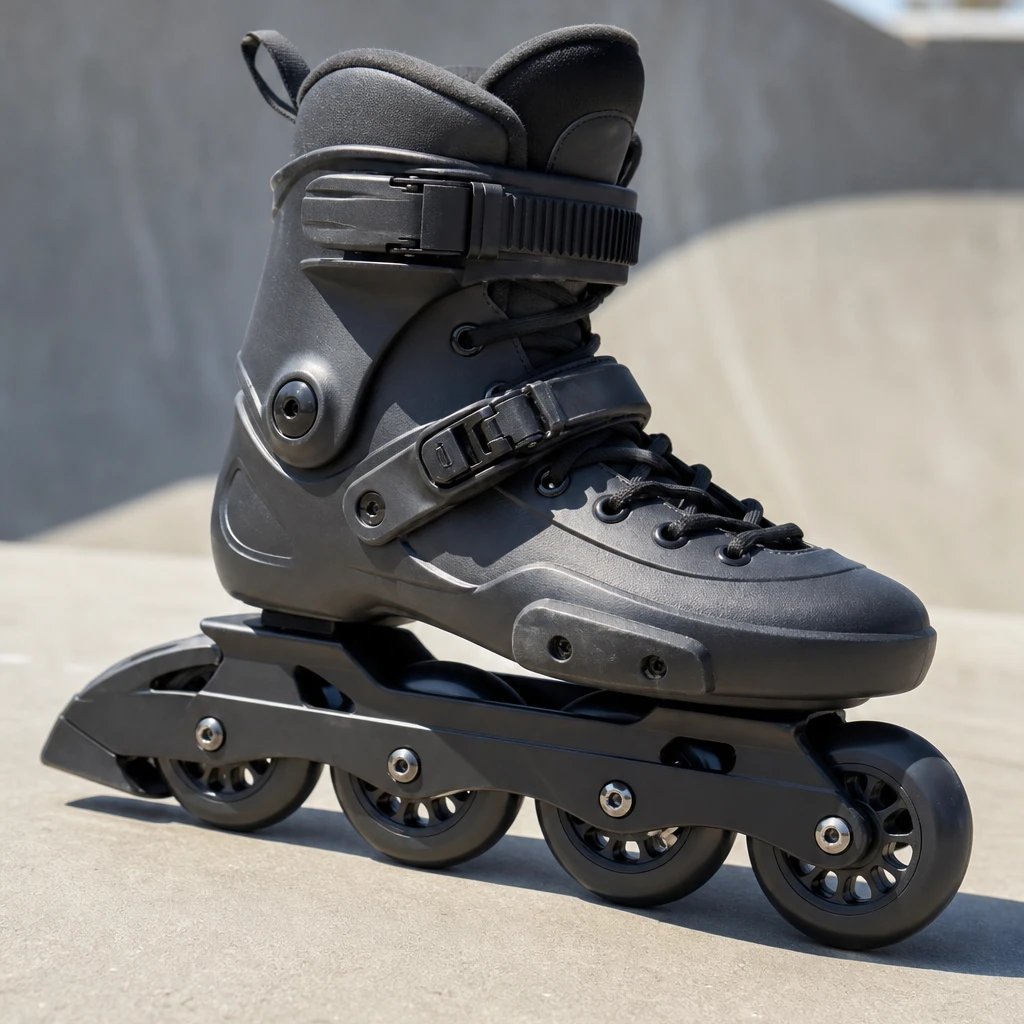
Inline speed skating uses efficient technique, low-cut boots, long frames, and large wheels to cover a track or road course quickly. It is not simply recreational skating with bigger wheels. The reduced ankle support and increased frame length demand balance, edge control, braking skill, and a stable low stance.
The safest progression is recreational skates, then fitness or cross-training skates, followed by speed equipment once technique is consistent. Join a coached club when possible. A skilled observer can correct position and timing before extra speed magnifies a weak habit.
Inline Speed Skating Equipment at a Glance
| Component | Typical speed-skating purpose | Beginner consideration |
|---|---|---|
| Low-cut boot | Allows ankle articulation and direct power transfer | Requires ankle strength and precise fit |
| Long frame | Adds stability at speed and supports large wheels | Turns more slowly than a short recreational frame |
| Large wheels | Maintain momentum and roll efficiently | Increase deck height and stopping distance |
| No heel brake | Keeps racing equipment compact | Skater must already control speed without one |
| Certified helmet | Essential impact protection | Must fit level and securely |
| Fitted clothing and gloves | Reduces loose fabric and protects hands | Comfort and visibility still matter more than aerodynamics for novices |
Fitness Skates vs Speed Skates
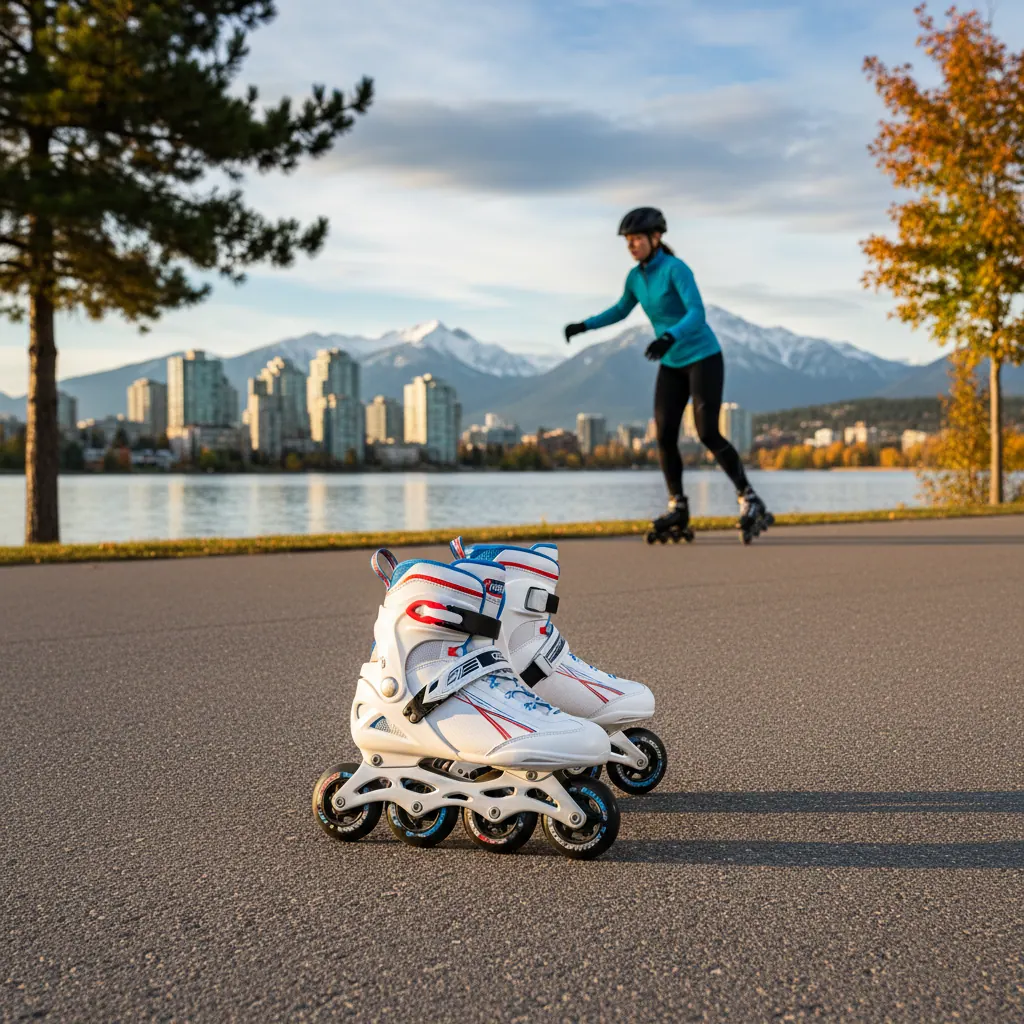
Fitness skates retain a supportive cuff and usually offer a heel brake. They are appropriate for building endurance, practising clean edges, and learning safe trail behaviour. Speed skates use a low cuff or no cuff, a stiff close-fitting boot, and a long frame. Small errors at the ankle can move the entire frame off line.
Choose speed skates only when you can:
- Skate on one foot with stable edges.
- Turn both directions without stepping in panic.
- Control speed and stop without depending on a heel brake.
- Look behind while maintaining a straight line.
- Handle surface changes without standing upright.
- Complete sustained sessions without technique collapsing from fatigue.
New skaters should start with the complete inline skating guide and a supportive model from the inline skates collection.
Speed Skate Boots and Fit
A speed boot must hold the heel and midfoot securely without cutting circulation or crushing the toes. Because the cuff is low, the shell cannot compensate for a loose fit. Brand, model, width, arch shape, and foot volume all affect the result.
Measure both feet in millimetres while standing. Use the specific manufacturer's size chart, not a generic shoe-size conversion. Some performance boots can be heat moulded according to their instructions, but heat cannot fix a shell that is fundamentally too large or the wrong shape.
Do not leave “growth room” in an adult performance boot. Movement inside the boot creates friction, delays edge response, and can encourage over-tightening. For youth athletes, sizing should follow the coach's and manufacturer's guidance rather than an adult fit rule.
Frames and Wheel Sizes
Speed configurations vary by age group, event, ruleset, boot size, and athlete. Current World Skate speed rules permit up to five wheels and set competition-specific limits, including 110 mm for many events and up to 125 mm for marathon use. Those are competition parameters, not a recommendation that every learner buy the maximum diameter.
4 x 100 mm
Four-wheel 100 mm setups can provide predictable contact and a lower deck than larger configurations. They may suit developing athletes and smaller boots, depending on the frame and coaching program.
4 x 110 mm
Four 110 mm wheels are common in advanced track and road contexts. The setup carries speed well, but the longer frame and added height require strong technique.
3 x 125 mm
Three 125 mm wheels are strongly associated with road distance and marathon skating. They maintain momentum but sit high, accelerate differently, and need more room to slow. They are not automatically faster for a skater who cannot hold an efficient position.
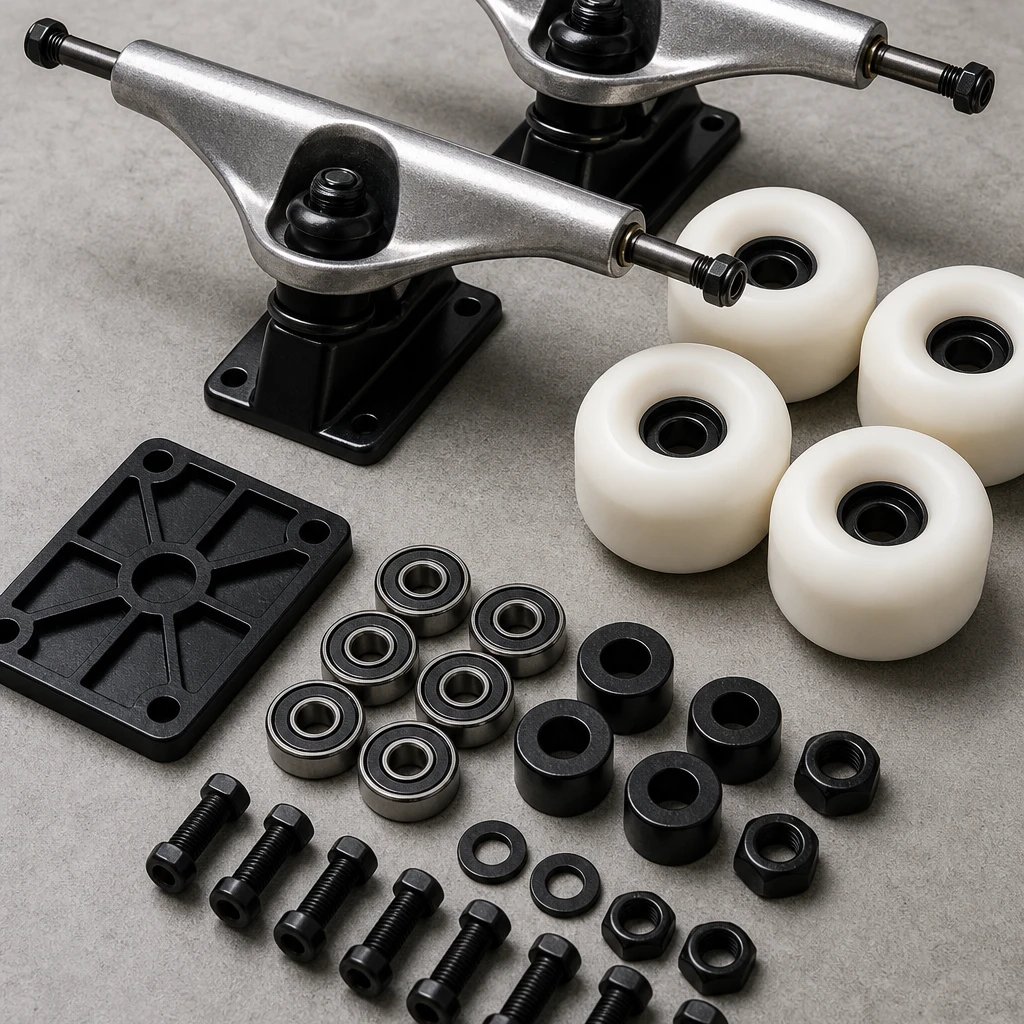
Only use wheel diameters, spacers, axles, and mounting positions approved for the frame. Changing wheel size affects deck height, frame clearance, handling, and safety.
The Fundamental Speed-Skating Position
Speed begins with reducing wasted movement, not pushing harder.
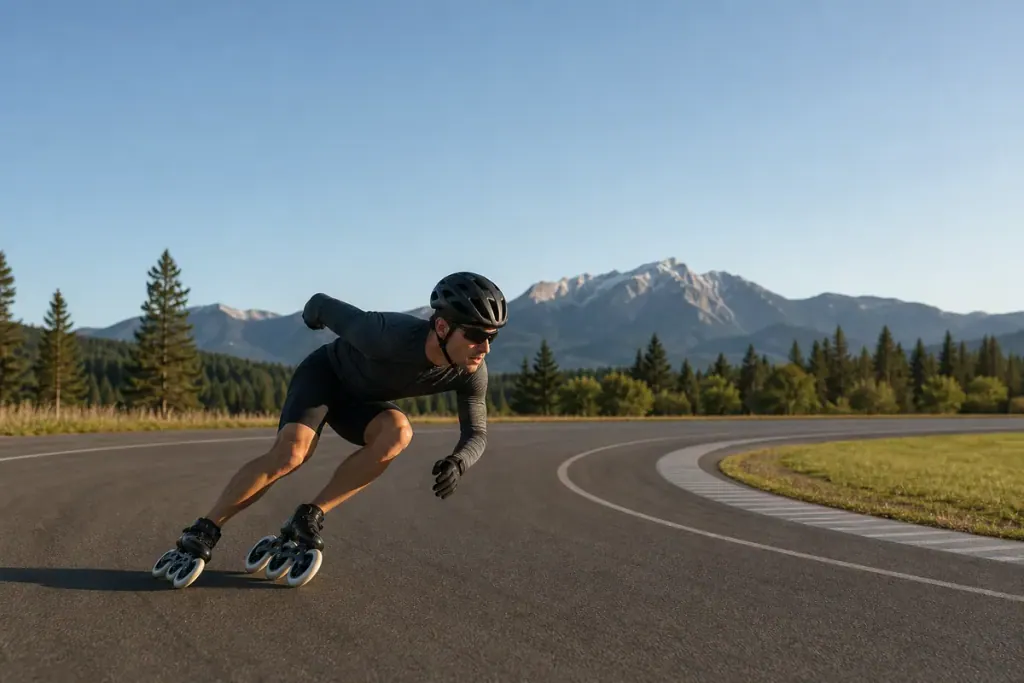
- Bend at the ankles, knees, and hips while keeping pressure centred over the skates.
- Keep the back long rather than rounding and collapsing the chest.
- Look ahead, not down at the wheels.
- Let the recovering skate return close to the supporting skate.
- Place each skate under control before transferring full weight.
A lower stance reduces aerodynamic drag and creates room for a longer push, but going lower than your strength allows causes the hips to rise, knees to fall inward, or recovery foot to swing. Hold a sustainable position first.
Building an Efficient Stride
Complete weight transfer
The body should move over the supporting skate rather than remain between both feet. Practise one-foot glides and slow alternating pushes before trying to increase cadence.
Push to the side
Effective skating force is directed laterally through the wheel edges. Kicking backward shortens the useful push and can make the upper body bob. Think about pressing the skate away while the body moves forward over the other foot.
Quiet recovery
After the push, relax the leg and return the skate close to the body. A wide swinging recovery wastes energy and can interfere with nearby skaters.
Double push
The double push is an advanced technique involving pressure through both phases of the skating stroke. It is easy to imitate poorly by forcing the skate across the centre line. Develop edges, weight transfer, and outside-edge control with a coach before treating it as a speed shortcut.
Stopping and Speed Control
Competition speed skates do not use heel brakes; World Skate rules prohibit brakes in competition. Training safely still requires a reliable way to reduce speed before entering a road, group, or corner.
Practise braking in a closed, level area. Techniques may include controlled drag stops, carving to reduce speed, step turns, or running onto a safe surface when instructed. Each has limits at high speed. Route choice, anticipation, and leaving space are the primary controls.
Never use traffic, a downhill path, or a crowded multi-use trail to test maximum speed. Closed tracks, organized practices, and appropriately permitted events are the correct environments.
A Four-Week Introductory Training Framework
This is a technique framework, not a medical or individualized coaching plan. Adjust volume to your health, experience, and local coaching advice.
Week 1: Position and balance
- Two easy sessions on fitness skates or familiar equipment.
- Athletic-position holds, one-foot glides, and broad turns.
- Stop each drill while posture is still controlled.
Week 2: Weight transfer
- Slow push-and-glide drills in both directions around a track.
- Short intervals focused on quiet recovery.
- Full recovery between efforts; no maximum-speed work.
Week 3: Corners and cadence
- Learn safe entry speed and exit line on a closed track.
- Add crossovers only if both-direction turning is already reliable.
- Use short cadence changes without sacrificing placement.
Week 4: Sustainable intervals
- Add several controlled efforts with generous recovery.
- Film from the side or work with a coach to assess stance.
- Keep one easy technique session rather than making every day hard.
Strength training, mobility, rest, and gradual load increases support skating. Pain that changes movement is a reason to stop and seek qualified advice, not to alter technique around it.
Safety Equipment and Group Skills
Roller Sports Canada requires CSA-certified helmets for its speed-skating practices and events. Review the organization's speed skating overview and confirm current club and event requirements directly.
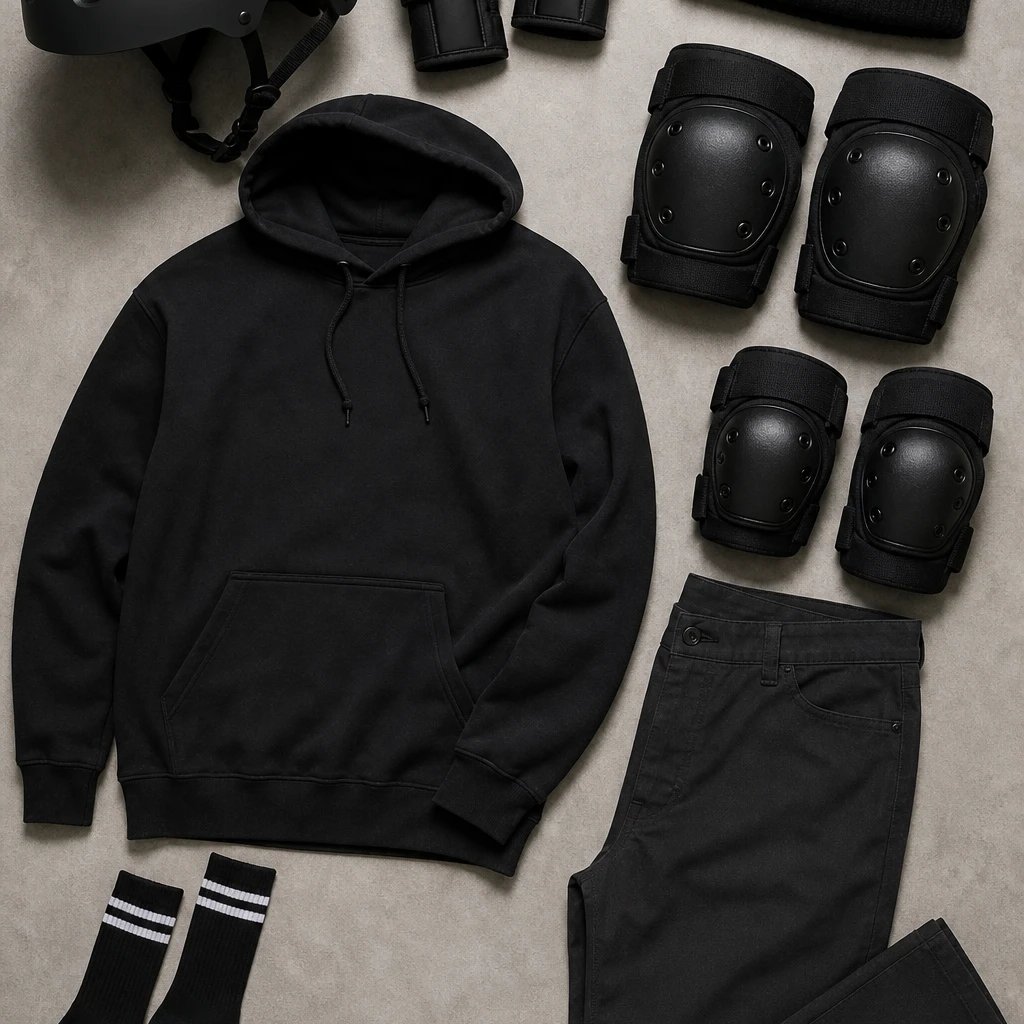
For training, use:
- A certified, correctly fitted helmet.
- Full-finger gloves.
- Wrist, knee, and elbow protection when appropriate for the session and program.
- High-visibility clothing for outdoor practice.
- Eye protection that maintains clear vision.
- Water and sun protection for longer sessions.
Group skating adds communication and proximity. Do not join a pace line until you can hold a predictable line, look around, and respond to signals. Avoid sudden lateral movement and never overlap wheels.
Finding Inline Speed Skating Clubs in Canada
Coached clubs provide a controlled environment, technique feedback, and access to athletes using different setups. Roller Sports Canada maintains a speed skating club directory with organizations in several provinces. Confirm schedules, membership, equipment rules, and beginner sessions with the club before attending.
If no club is nearby, seek a qualified inline instructor and use a closed, permitted surface. Online videos can demonstrate a drill but cannot see your edge angle, fatigue, or traffic conditions.
Inline Speed Skating FAQ
Are 125 mm wheels best for beginners?
Usually not. They raise the boot, carry speed, and need strong edge control. A coach may recommend another configuration based on body size, event, skill, and frame compatibility.
Can I speed skate on recreational skates?
You can practise efficient position, weight transfer, and intervals on supportive skates. They are an excellent development tool even though they are not race equipment.
Do speed skates have brakes?
Competition speed skates do not. Skaters must learn other stopping and speed-control techniques before using them safely.
How do I make inline skates faster?
First improve position, weight transfer, and clean wheel alignment. Maintain wheels and bearings, use equipment appropriate to the surface, and follow a progressive training plan. Larger wheels cannot repair inefficient technique.
Earn Speed Through Control
Inline speed skating rewards precision. Start on equipment you can control, learn from a club or coach, and progress from balance to edges, weight transfer, corners, and sustainable intervals. When technique remains stable under effort, speed becomes the result rather than the risk.
For compatible replacement parts, compare inline skate wheels, bearings, and protective helmets against your equipment manufacturer's specifications.